
Wisdom Teeth Removal
Protect your oral health and relieve discomfort with professional wisdom teeth assessment and removal focused on your safety, comfort, and recovery.
Comfortable Care for Problematic Wisdom Teeth
Gentle Wisdom Teeth Removal for a Healthier Smile
Wisdom teeth are the last permanent teeth to develop and may not always have enough space to emerge properly. When they become impacted, partially erupted, infected, or begin affecting nearby teeth, removal may be recommended to help prevent further oral health concerns.
At Maxwell Dental, we carefully evaluate the position and condition of your wisdom teeth before recommending treatment. When removal is appropriate, our team focuses on providing comfortable, patient-centred care while giving you clear instructions to support a smooth recovery.
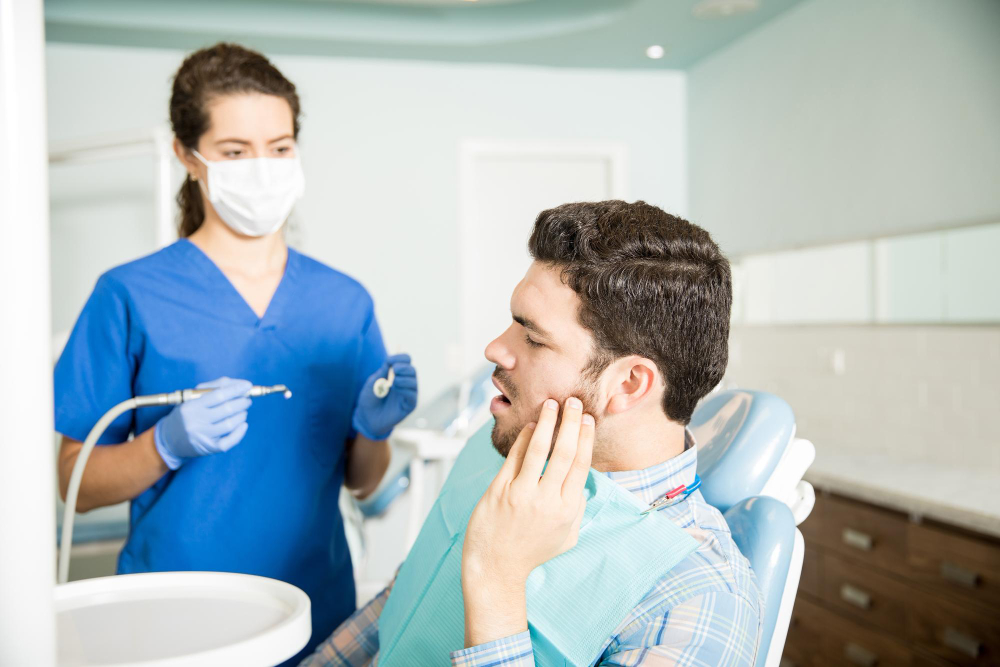
Signs Your Wisdom Teeth May Need Attention

Pain or Discomfort
Persistent discomfort at the back of the mouth or jaw may indicate that a wisdom tooth is impacted or causing pressure.
Swollen or Tender Gums
Redness, swelling, or tenderness around a partially erupted wisdom tooth can occur when the surrounding gum tissue becomes irritated.
Impacted Wisdom Teeth
Wisdom teeth that remain trapped beneath the gums or jawbone may require assessment to determine whether removal is appropriate.
Repeated Infection
Partially erupted wisdom teeth can create areas where bacteria and food collect, sometimes leading to recurring gum inflammation or infection.
Crowding or Pressure
Poorly positioned wisdom teeth may create pressure or interfere with neighbouring teeth and surrounding oral structures.
Tooth Decay
Wisdom teeth can be difficult to clean effectively, increasing the risk of cavities in the wisdom tooth or the tooth beside it.
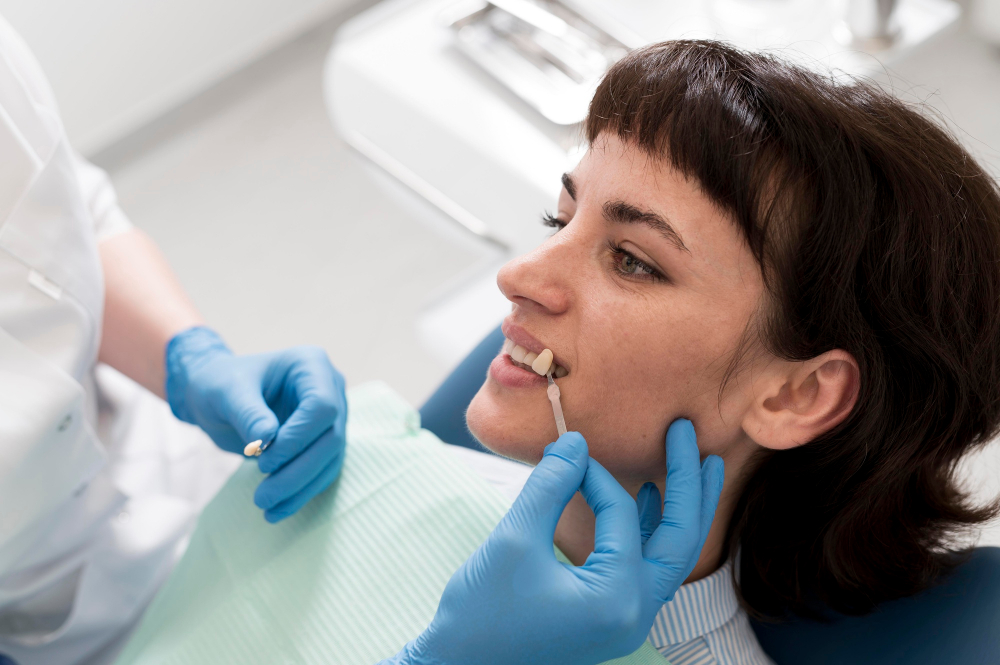
Why Wisdom Teeth Removal May Be Recommended
Removing problematic wisdom teeth can help address existing symptoms and reduce the risk of certain complications affecting surrounding teeth and gums.
What Happens During Wisdom Teeth Removal?
01
Examination & Digital Imaging
Our dentist examines your mouth and may take digital X-rays to evaluate the position, development, and condition of your wisdom teeth.
02
Personalized Treatment Planning
We review the findings, discuss whether removal is recommended, and explain the procedure and what you can expect during recovery.
03
Anesthesia & Preparation
The treatment area is carefully numbed with local anesthesia to help keep you comfortable during the procedure. Additional options may be discussed when appropriate.
04
Wisdom Tooth Removal
The wisdom tooth is carefully removed using an approach based on its position and whether it has fully or partially erupted.
05
Recovery & Aftercare
We provide detailed aftercare instructions to help manage the extraction site, maintain oral hygiene, and support proper healing.
Comfortable Care from Consultation to Recovery
We understand that wisdom teeth removal can feel stressful. Our team takes the time to explain your treatment, answer your questions, and provide attentive care before, during, and after your procedure.