
Root Canal Therapy
Relieve discomfort, treat infection, and preserve your natural tooth with root canal therapy focused on restoring your oral health and comfortable function.
Save & Protect Your Natural Tooth
Comfortable Root Canal Therapy for Lasting Relief
When the soft tissue inside a tooth becomes inflamed or infected due to deep decay, cracks, trauma, or other damage, root canal therapy may be needed to save the tooth. At Maxwell Dental, our goal is to address the source of the problem while preserving your natural tooth whenever possible.
During treatment, the affected tissue inside the tooth is carefully removed, the internal space is cleaned and disinfected, and the tooth is sealed to protect it from further infection. The tooth may then be restored to help regain strength, function, and long-term protection.
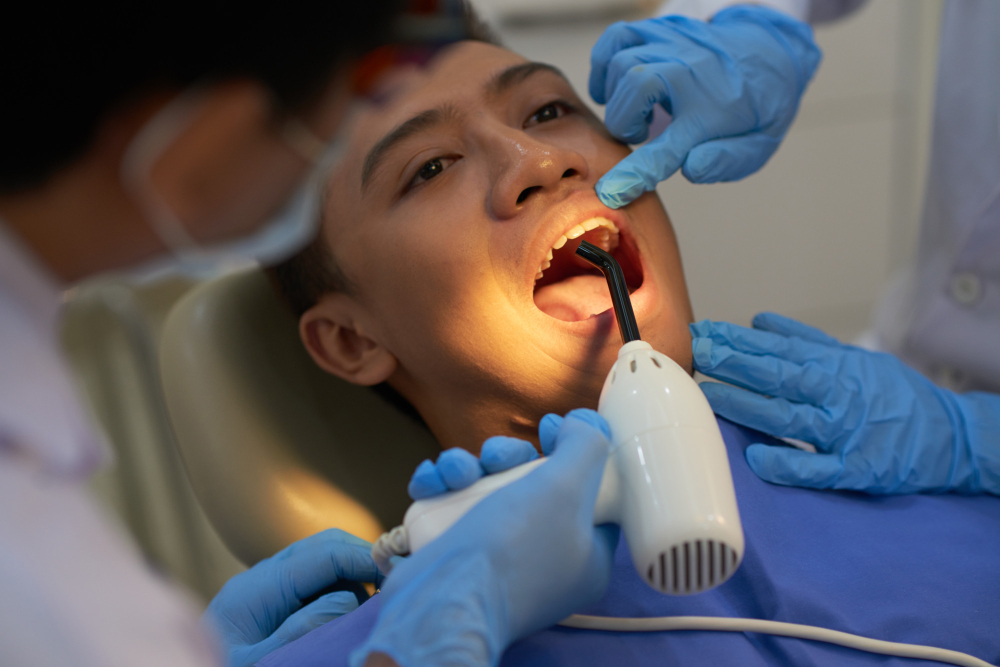
Signs You May Need Root Canal Therapy

Persistent Tooth Pain
Ongoing or significant tooth discomfort may indicate inflammation or infection within the tooth that requires professional evaluation.
Sensitivity to Hot & Cold
Sensitivity that lingers after consuming hot or cold foods and drinks can sometimes indicate a problem with the tooth's pulp.
Swollen or Tender Gums
Swelling, tenderness, or a small bump on the gums near a tooth may be associated with an underlying dental infection.
Deep Tooth Decay
When decay reaches the inner portion of a tooth, root canal therapy may be necessary to remove infected tissue and preserve the tooth.
Cracked or Damaged Tooth
A deep crack, fracture, or dental injury can expose the inner tooth to bacteria and increase the risk of infection.
Tooth Discolouration
In some cases, a tooth that becomes noticeably darker may indicate damage to the tissue inside and should be professionally evaluated.
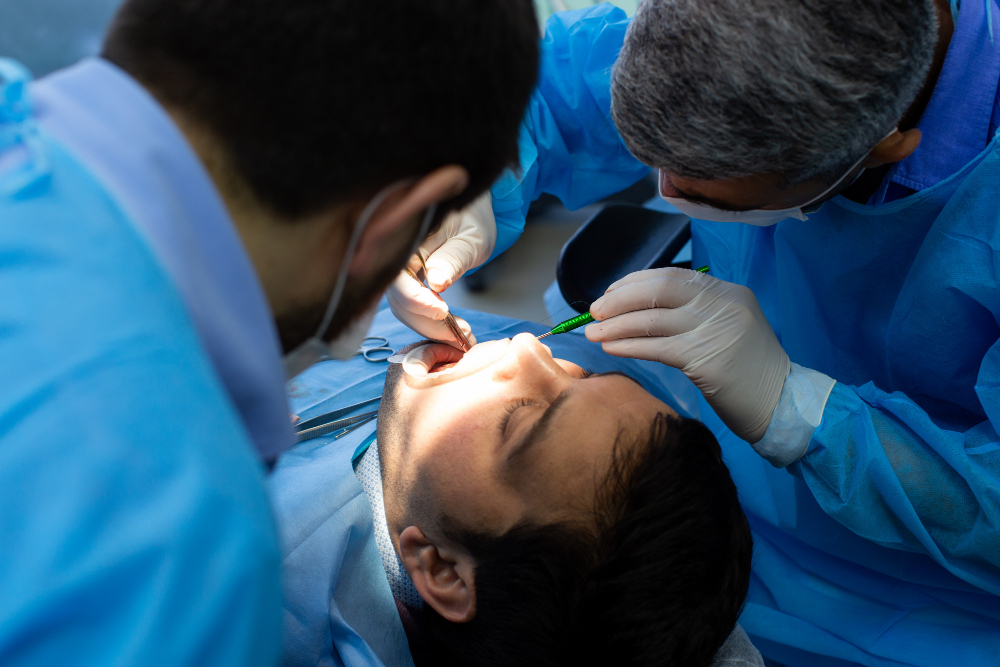
Why Root Canal Therapy Matters
Treating an infected or significantly inflamed tooth promptly can help relieve symptoms, prevent the problem from progressing, and preserve your natural tooth.
What Happens During Root Canal Therapy?
01
Examination & Diagnosis
Our dentist examines the affected tooth and may take digital X-rays to evaluate the roots and surrounding structures before recommending treatment..
02
Numbing the Tooth
Local anesthesia is used to numb the treatment area and help keep you comfortable throughout the procedure.
03
Cleaning the Root Canals
The inflamed or infected tissue is carefully removed from inside the tooth, and the root canal system is thoroughly cleaned and disinfected.
04
Filling & Sealing the Tooth
Once cleaned, the root canals are filled and sealed to help protect the tooth from bacteria and future infection.
05
Restoring & Protecting the Tooth
Depending on the condition and location of the tooth, a filling or dental crown may be recommended to restore strength, function, and protection.
Save Your Natural Tooth & Restore Your Comfort
Root canal therapy can often save a tooth that might otherwise require extraction. With timely treatment and an appropriate final restoration, we can help protect your natural smile and restore comfortable everyday function.