
Dental Extraction
When a tooth cannot be safely restored, a dental extraction can help relieve discomfort, protect your oral health, and prevent further complications.
Gentle Care When a Tooth Needs to Be Removed
Comfortable Dental Extractions with Your Oral Health in Mind
At Maxwell Dental, preserving your natural teeth is always our priority. However, when a tooth is severely damaged, infected, or causing problems for surrounding teeth, an extraction may be the best option for protecting your overall oral health.
Our dental team carefully evaluates your condition and explains your treatment options before recommending an extraction. When removal is necessary, we focus on providing gentle, patient-centred care and clear aftercare instructions to support a comfortable recovery.
When a Dental Extraction May Be Needed

Severe Tooth Decay
When decay has significantly damaged a tooth and it cannot be predictably restored, removal may be recommended.
Dental Infection
A severely infected tooth may require extraction when other treatments cannot successfully preserve the tooth.
Broken or Damaged Teeth
Teeth with extensive fractures or damage below the gumline may sometimes be too compromised to repair.
Advanced Gum Disease
Severe periodontal disease can weaken the supporting tissues and bone around a tooth, potentially requiring removal.
Problematic Wisdom Teeth
Impacted, painful, or poorly positioned wisdom teeth may need to be removed to help prevent further dental problems.
Orthodontic Treatment
In certain cases, tooth removal may be recommended as part of an orthodontic treatment plan when additional space is required.

Why a Dental Extraction May Be Important
Removing a tooth when clinically necessary can relieve discomfort, address infection, and help protect neighbouring teeth and your overall oral health.
What Happens During a Dental Extraction?
01
Examination & Assessment
We carefully examine the affected tooth and surrounding tissues. Digital X-rays may be taken when needed to understand the tooth's position and condition.
02
Treatment Discussion
Our dentist explains the findings, discusses available treatment options, and determines whether extraction is the appropriate choice for your oral health.
03
Local Anesthesia
The treatment area is thoroughly numbed with local anesthesia to help keep you comfortable throughout the procedure.
04
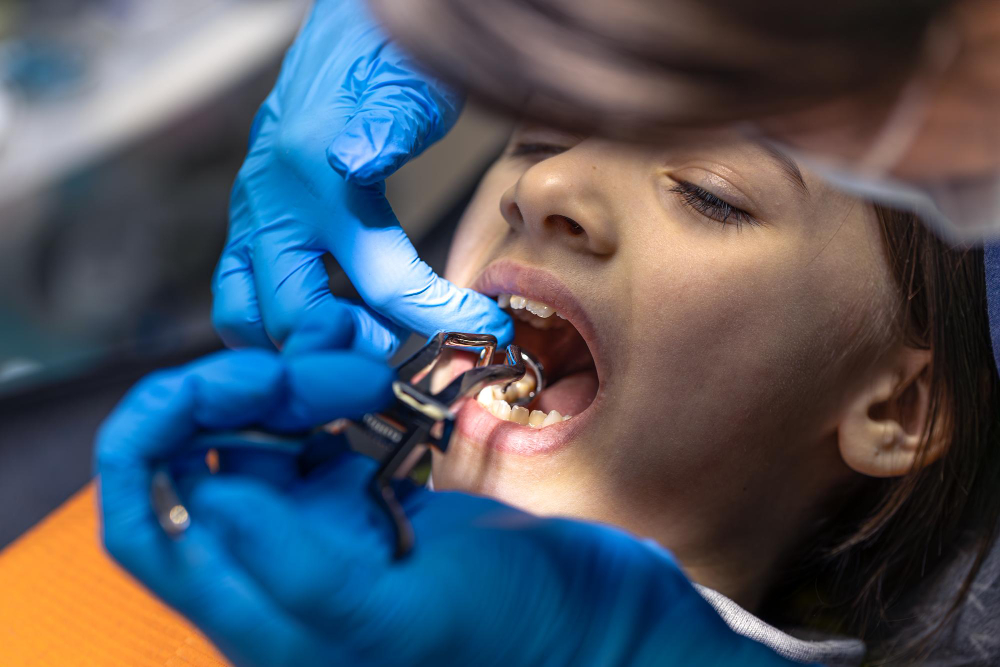
Gentle Tooth Removal
The tooth is carefully removed using an approach appropriate for its condition, position, and surrounding structures.
05
Aftercare & Recovery
We provide detailed instructions for managing the extraction site, maintaining oral hygiene, and supporting proper healing after your appointment.
Gentle Care Before, During & After Your Extraction
We understand that having a tooth removed can feel stressful. Our team takes the time to explain every step, answer your questions, and provide attentive care throughout your appointment and recovery.