
Root End Surgery
Treat persistent infection, protect your natural tooth, and support long-term oral health with root end surgery focused on addressing problems around the tip of the tooth root.
Root End Surgery for Lasting Oral Health
Treat Persistent Infection & Preserve Your Natural Tooth
When infection or inflammation remains around the tip of a tooth root after root canal therapy, root end surgery may be recommended to address the problem and help preserve the natural tooth. At Maxwell Dental, our goal is to treat persistent infection while protecting your natural tooth whenever possible.
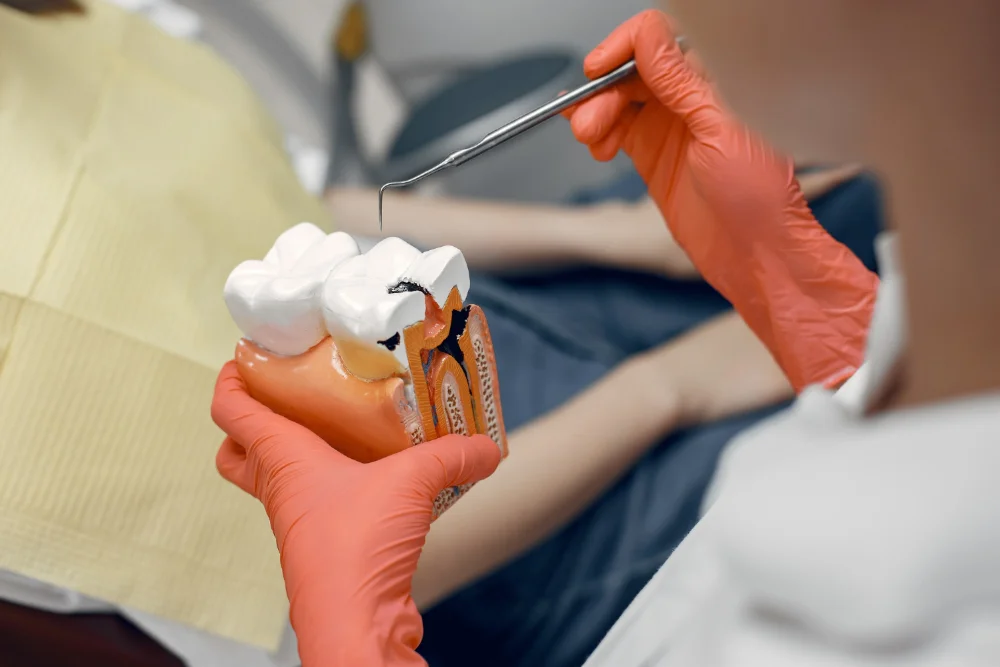
Also known as an apicoectomy, root end surgery involves accessing the area around the tip of the tooth root, removing the infected or inflamed tissue and a small portion of the root tip, and sealing the end of the root to help prevent further infection. The procedure is typically considered when conventional root canal treatment cannot fully resolve the problem.
When Root End Surgery May Be Needed

Persistent Infection After Root Canal Treatment
If an infection remains or returns around the tip of a tooth after root canal treatment, root end surgery may help address the affected area directly.
Ongoing Inflammation Around the Root
Persistent inflammation or a lesion around the root tip may require treatment to remove the affected tissue and support healing.
Complex Root Canal Anatomy
In some cases, the anatomy of the root or previous dental treatment can make it difficult to access and treat the affected area through conventional root canal therapy.
Blocked or Difficult-to-Treat Canals
A blocked canal or other complication may prevent the dentist from adequately treating the source of infection through the existing root canal.
Persistent Symptoms
Continued pain, tenderness, or discomfort associated with a previously treated tooth may indicate that further evaluation is needed.
Root Tip Abnormalities
Certain changes around the end of a tooth root may require surgical treatment to remove affected tissue and protect the surrounding bone.
Why Root End Surgery Matters
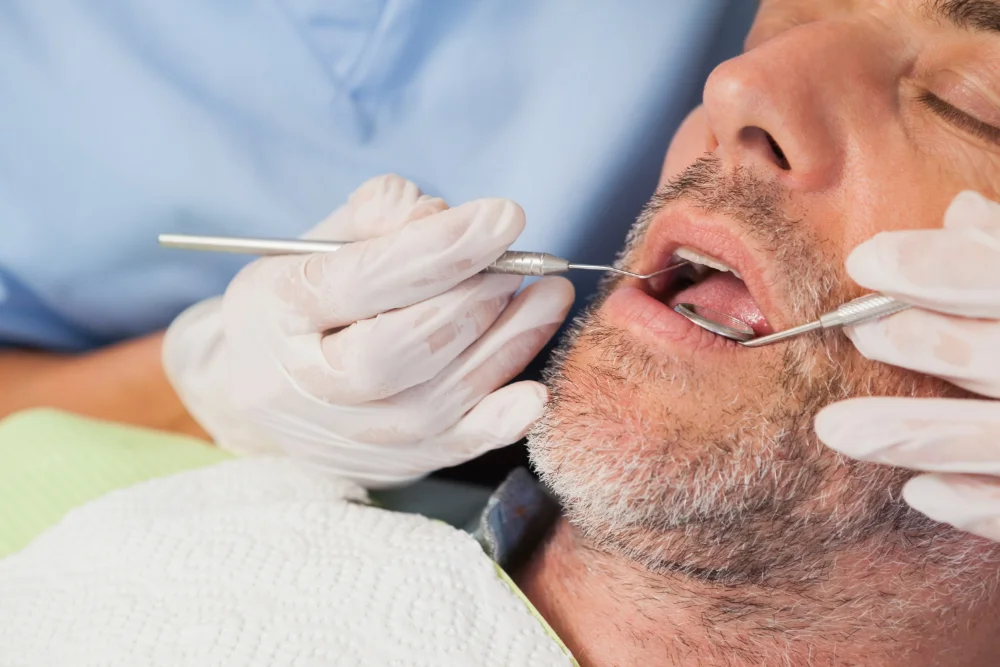
When infection or inflammation persists around the tip of a tooth, treating the affected area can help support healing, protect surrounding structures, and preserve the natural tooth.
What Happens During Root End Surgery?
01
Examination & Diagnosis
Our dentist evaluates the affected tooth and surrounding structures and may use digital X-rays or other imaging to determine the cause of the persistent problem and whether root end surgery is appropriate.
02
Numbing the Treatment Area
Local anesthesia is used to numb the area around the affected tooth to help keep you comfortable throughout the procedure.
03
Accessing the Root Tip
A small opening is made in the gum tissue to access the area around the tip of the tooth root and identify the source of the infection or inflammation.
04
Removing the Infection & Root Tip
The infected or inflamed tissue is carefully removed along with a small portion of the root tip. The area is then cleaned to help eliminate the source of the infection.
05
Sealing & Supporting Healing
The end of the root is sealed to help prevent bacteria from entering the tooth again. The gum tissue is then repositioned to allow the area to heal.
Preserve Your Natural Tooth & Support Lasting Oral Health
Root end surgery can provide another opportunity to save a natural tooth when infection or inflammation persists after root canal therapy. By treating the affected area directly, we can help protect the tooth and support the health of the surrounding tissues.