
Bone Grafting
Restore the foundation needed for a healthy smile with personalized bone grafting treatment designed to rebuild areas of lost jawbone and support future dental care.
Personalized Bone Regeneration for a Stronger Foundation
Bone Grafting Designed Around Your Dental Needs
Healthy jawbone provides important support for your teeth and plays a key role in successful dental treatment. When bone has been lost due to tooth loss, gum disease, or other dental conditions, bone grafting can help rebuild the area and create a stronger foundation.
At Maxwell Dental, every bone grafting treatment begins with a careful evaluation of your teeth, gums, and jawbone. We assess the area requiring treatment and develop a personalized approach based on your oral health and future dental needs.
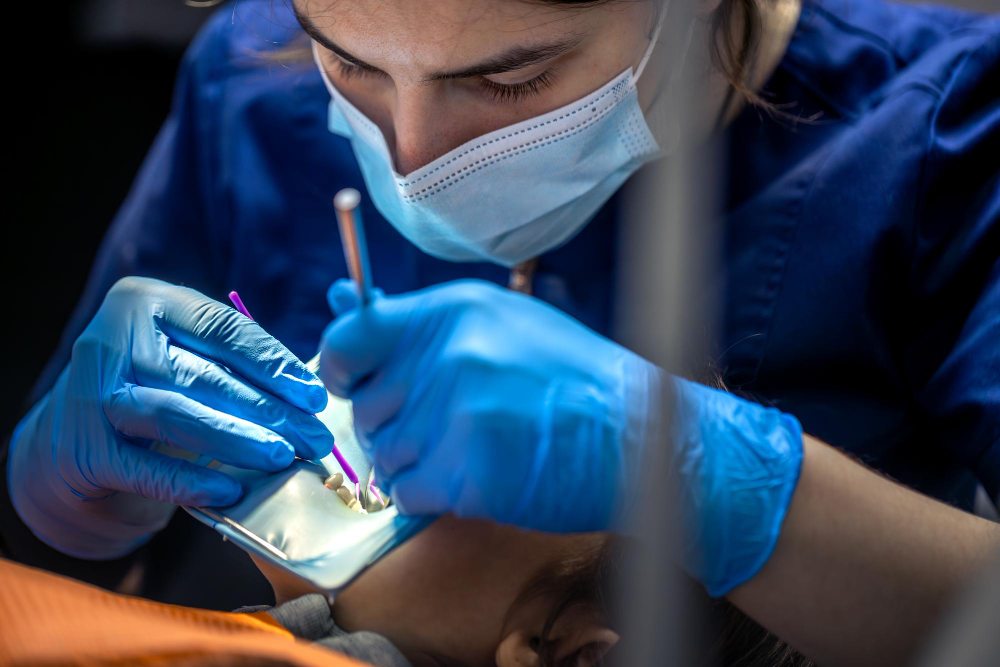
What Can Bone Grafting Improve?

Lost Jawbone
Bone grafting can help rebuild areas where the jawbone has become thinner or weaker following tooth loss or other dental conditions.
Dental Implant Support
Rebuilding insufficient bone may help create a stronger foundation for patients who are considering dental implants.
Bone Volume
Grafting can help restore volume in areas where bone has been lost, supporting the structure of the jaw.
Tooth Loss Effects
After tooth loss, the surrounding bone can gradually deteriorate. Bone grafting can help address areas affected by this loss.
Gum & Bone Support
Healthy bone is an important part of the structures supporting your teeth. Restoring lost bone can contribute to better overall oral health.
Future Dental Treatment
For some patients, bone grafting can help prepare an area for future restorative or implant treatment when there is not enough existing bone.
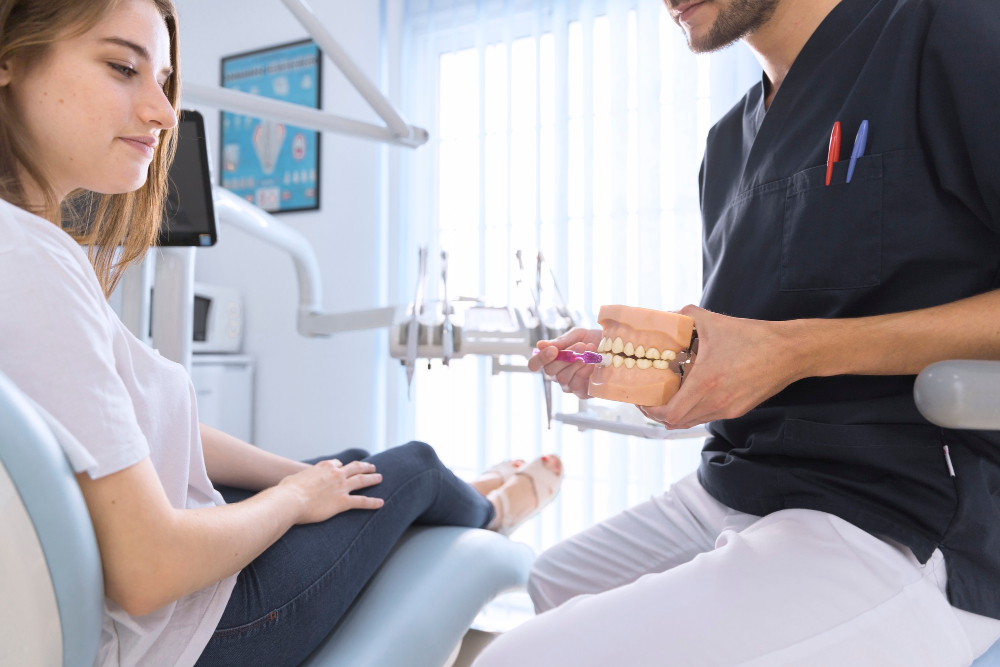
Why Choose Personalized Bone Grafting?
Every patient's jawbone and dental needs are different. Our approach focuses on carefully evaluating the treatment area and creating a plan that supports your long-term oral health.
What Happens During Bone Grafting?
01
Comprehensive Evaluation
We examine your teeth, gums, and jawbone to understand the condition of the treatment area and determine whether bone grafting may be recommended.
02
Personalized Treatment Planning
After evaluating your oral health and treatment goals, we develop a customized plan for rebuilding the area of lost or insufficient bone.
03
Preparing the Treatment Area
The affected area is carefully prepared for the grafting procedure, with attention to your comfort and overall oral health.
04
Bone Graft Placement
Grafting material is placed in the area where additional bone is needed. The material provides a framework that can support new bone development as the area heals.
05
Healing & Follow-Up
The treated area is monitored during the healing process. We provide personalized aftercare instructions and assess your progress before moving forward with any planned restorative or implant treatment.
Build a Stronger Foundation for Your Smile.
When jawbone loss affects the foundation of your smile, bone grafting may help restore the structure needed for future dental treatment.