
Sedation Dentistry
Feel more relaxed and at ease with personalized sedation options designed to help reduce dental anxiety and make your treatment experience more comfortable.
Comfortable Dental Care Designed Around You
Relaxed Care. Comfortable Experience.
Sedation dentistry can help patients who feel nervous, anxious, or uncomfortable about dental treatment feel more relaxed during their visit. It may also be helpful for patients with a strong gag reflex, sensitive teeth, or difficulty sitting comfortably through longer procedures.
At Maxwell Dental, we begin with a careful consultation to understand your concerns, medical history, and treatment needs. Based on your individual situation, our dental team can discuss suitable comfort options and explain what you can expect before, during, and after your appointment.
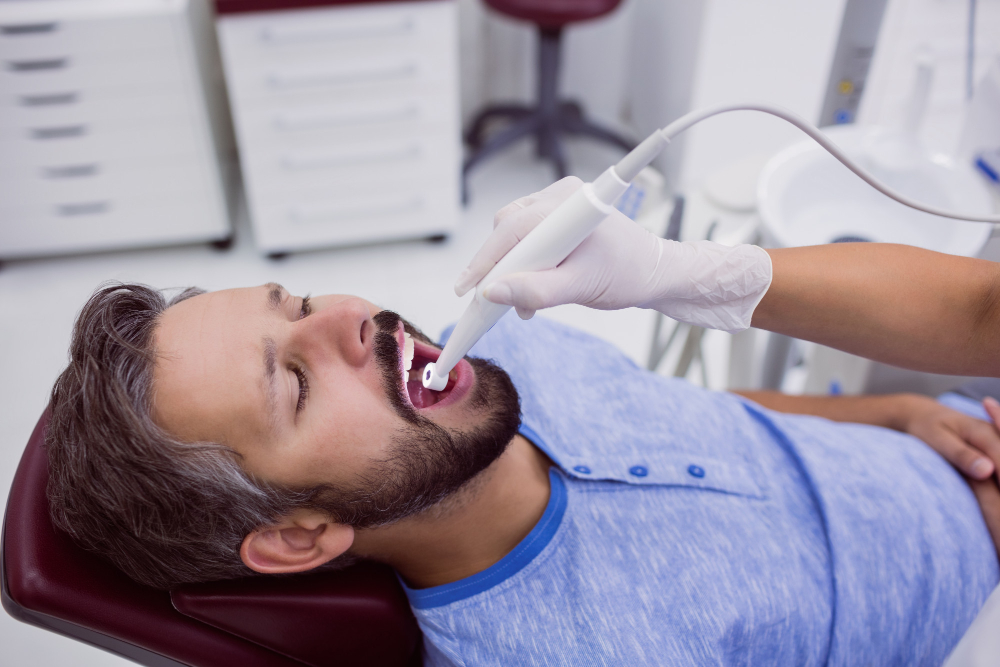
How Can Sedation Dentistry Help?

Reduced Dental Anxiety
Sedation can help patients feel calmer and more relaxed before and during dental treatment.
Greater Comfort
A more relaxed state can make dental appointments feel easier and more comfortable.
Easier Longer Appointments
Sedation may help suitable patients remain comfortable during treatments that require more time.
Helps With Dental Fear
It can be a helpful option for patients who have avoided dental care because of fear or anxiety.
Better Treatment Experience
Feeling relaxed can make it easier to receive necessary dental care without unnecessary stress.
Personalized Comfort
Sedation options are discussed according to your health, treatment needs, and individual comfort level.
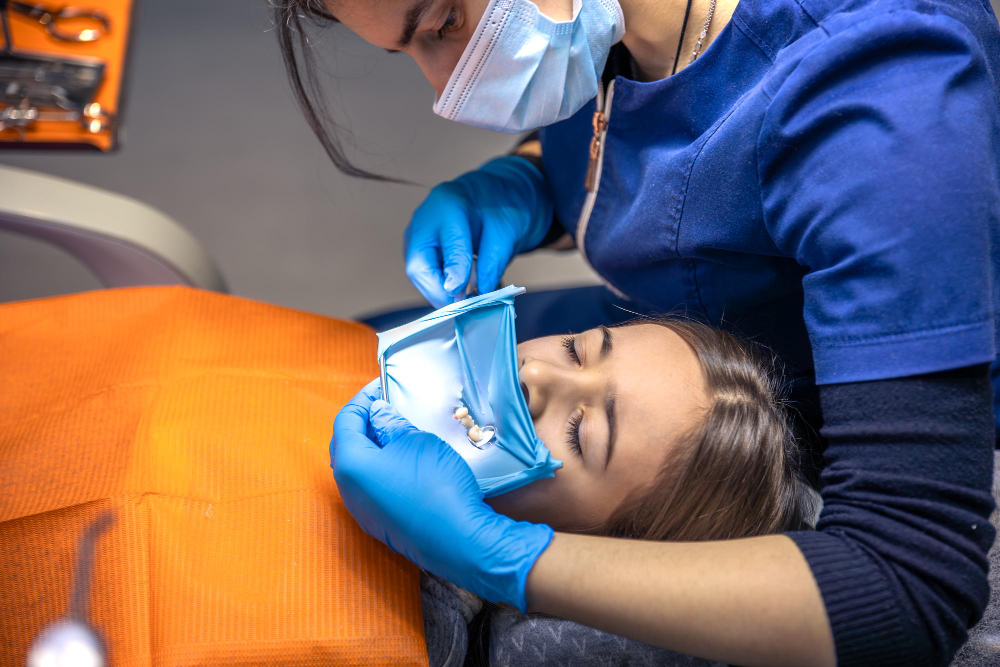
Why Choose Sedation Dentistry?
Every patient experiences dental treatment differently. Our approach focuses on understanding your concerns and creating a treatment experience that feels safe, supportive, and personalized.
What Happens During Sedation Dentistry?
01
Initial Consultation
We discuss your dental concerns, anxiety level, medical history, current medications, and planned treatment to determine whether sedation may be appropriate for you.
02
Personalized Sedation Plan
Our dental team explains the available comfort options and recommends an approach based on your individual needs and treatment.
03
Preparing for Your Appointment
You receive clear instructions about how to prepare for your visit, including any specific requirements that apply to your chosen sedation method.
04
Comfortable Dental Treatment
On the day of your appointment, we help you become comfortable before beginning treatment and carefully monitor you throughout the procedure.
05
Aftercare & Follow-Up
After treatment, we provide personalized aftercare instructions and explain what to expect as the effects of sedation wear off.
Feel More Relaxed About Your Dental Care
If dental anxiety or fear has been keeping you from getting the treatment you need, sedation dentistry may help make your experience more comfortable.