
Stained or yellow teeth: causes and treatment
In short: teeth become stained or yellow from surface stains left by coffee, tea, wine and tobacco, and from natural darkening inside the tooth with age. Surface stain is removed by a professional cleaning; deeper colour is lightened with whitening. Stains that do not respond can be covered with bonding or veneers.
Why teeth discolour
Your dentist first works out which type of stain you have:
- Coffee, tea, red wine, curry and other strongly coloured foods
- Smoking and vaping
- Tartar, which is yellow or brown
- Ageing: enamel thins and the darker layer shows through
- Old fillings, some childhood medicines or excess fluoride
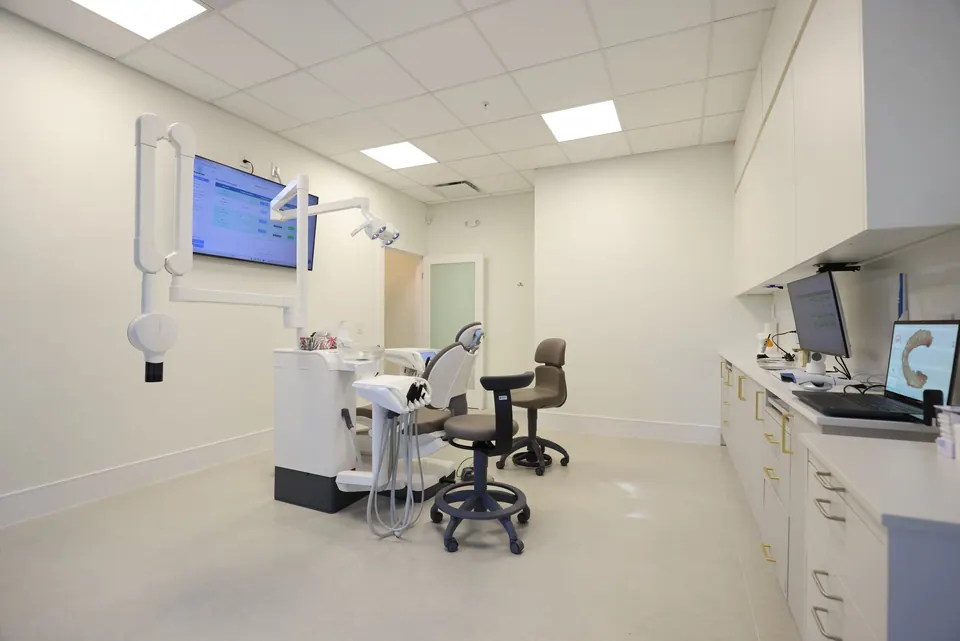
How stained teeth are treated
- 1
Examine
Decay and gum problems are ruled out, and the type of stain identified.
- 2
Clean and polish
Scaling and polishing remove tartar and surface stain; this alone can be a clear improvement.
- 3
Whiten
In-office treatment or custom take-home trays lighten the natural tooth colour.
- 4
Cover
Bonding or veneers mask stains that whitening cannot change.
What you can do
Rinse with water after staining drinks, use a straw for iced coffee and tea, and brush twice a day. Whitening toothpastes remove some surface stain but do not change the underlying colour; highly abrasive ones can wear enamel.
Be wary of charcoal powders, lemon juice and baking-soda scrubs, which scratch or erode enamel and make teeth look more yellow over time.
What whitening cannot do
Whitening does not change the colour of fillings, crowns or veneers. Grey or banded staining from medicines responds poorly. A single dark tooth usually has a different cause and should be examined.
Which would help you?
One tick is enough to be seen. Call during opening hours and we will tell you the earliest time.
Until your visit
- Water after coffee, tea or wine
- Regular cleanings
- Avoid abrasive powders
- Ask about whitening
When not to wait
Call us the same day for severe pain, swelling in the gum or face, bleeding that will not stop, or an injury to a tooth. Call early: mornings give us the most room to fit you in. Maxwell Dental is open Monday to Friday from 10 am to 6 pm and Saturday from 9 am to 4 pm, and new patients with an urgent problem are welcome. Outside those hours, a hospital emergency department can help with severe pain, bleeding or infection until a dentist can treat the tooth.
Go to a hospital emergency department if swelling is spreading toward your eye or neck, you have a fever with facial swelling, or you have any difficulty swallowing or breathing. Those signs need medical care first.
Call (647) 479-4842What to tell us when you call
- Where it is and when it started
- Whether it wakes you, or hurts with hot, cold or biting
- Any swelling, fever, bad taste or injury
- Your medicines, and whether you are pregnant
- Whether you have insurance or a Canadian Dental Care Plan card
What happens when you come in
- 1
You tell us what is wrong
Send the form or call during opening hours. Urgent problems are fitted in around booked appointments, and we tell you the earliest time we can see you.
- 2
Examination
Your dentist looks at the area, tests the tooth or gum gently and takes only the X-rays needed to find the cause. You are shown what was found.
- 3
Options and costs
You hear the options, including the simplest one, how many visits each takes and what each costs. Nothing is started until you agree.
- 4
Treatment and follow-up
Pain is dealt with first. Anything that needs a second visit is booked before you leave, with written aftercare in English, and explained in Farsi or Tagalog if you prefer.
Keeping problems from coming back
Most dental problems start small and silently. Brushing twice a day with fluoride toothpaste, cleaning between the teeth once a day and keeping sugary or acidic food and drink to mealtimes prevent the majority of decay and gum disease.
Regular exams find the rest early. A check-up every six months, or at the interval your dentist advises, includes a look at every tooth, the gums and the soft tissues, and X-rays when they are due. A small problem found at an exam is nearly always simpler and less costly to treat than the same problem found because it hurts.
If you have not seen a dentist for some time, you are welcome here without judgement. Tell us what worries you, whether that is cost, time or fear, and we will plan around it. Canadian Dental Care Plan patients are welcome and insurers are billed directly.
Habits that protect teeth
- Soft brush, two minutes, twice a day
- Floss or interdental brushes daily
- Water between meals
- A night guard if you grind; a mouthguard for contact sports
- No smoking or vaping
Three ways patients pay
CDCP
- Bring
- Your CDCP card and photo ID
- We do
- Check what the plan covers before treatment and tell you about any amount you would pay
Work or private insurance
- Bring
- Your plan and member number
- We do
- Bill your insurer directly, so you pay only the part your plan doesn't cover
No insurance
- Ask
- For a cost estimate before treatment starts
- Pay
- All common payment methods are accepted
Questions about stained or yellow teeth
It removes surface stain, which often brightens them noticeably.
Yes, on healthy teeth under a dentist’s guidance.
Colour inside the tooth is not reached by brushing.
Often a year or more.
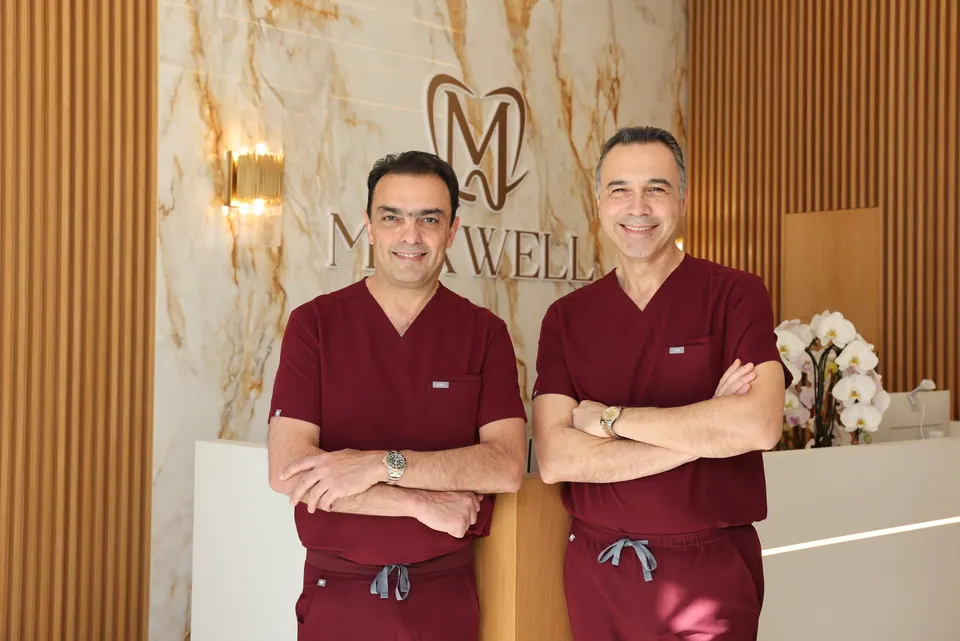
Two general dentists in North York
Dr. Ali Ellioun has more than 30 years of clinical experience, with particular interests in restorative dentistry, root canal treatment, oral surgery, prosthodontics and implants. Dr. Shahyar Ameryoun has over 25 years of experience in root canal therapy, crowns and bridges, restorative and preventive care, cosmetic dentistry, extractions and emergency care. Both are registered with the Royal College of Dental Surgeons of Ontario.
Maxwell Dental is at 716 Sheppard Ave West, at street level with free parking. We are open Monday to Friday from 10 am to 6 pm and Saturday from 9 am to 4 pm, and the team works in English, Farsi and Tagalog. Your first visit is an exam with any X-rays your dentist recommends, followed by a plan and costs before anything is started.
Wilson Heights · Clanton Park · Bathurst Manor · Lansing–Westgate · Armour Heights · Westminster–Branson · Yonge and Sheppard
This page gives general information and does not replace an examination. If you are worried, call us.
Last updated: November 24, 2026