
Root canal therapy in North York
In short: root canal therapy removes infected or inflamed tissue from inside a tooth, cleans and seals the canals, and saves the tooth from extraction. With modern numbing it usually feels similar to having a filling.
Root canal therapy, explained
Inside every tooth is the pulp: soft tissue with nerves and blood vessels that runs down narrow canals in the roots. Deep decay, a crack, repeated dental work or a blow can let bacteria in. The pulp becomes inflamed or dies, and infection can spread to the bone at the root tip, forming an abscess.
Root canal therapy removes the diseased pulp, disinfects and shapes the canals, and fills them with a sealing material. The tooth stays in your mouth and keeps working. Both dentists at Maxwell Dental provide root canal treatment as part of general practice.
Is root canal therapy right for you?
One tick is enough to ask. Your dentist will confirm what you need.
Who it suits
It is recommended for teeth with irreversible pulp inflammation or infection that can still be restored afterwards. Signs include lingering pain to hot or cold, spontaneous or night-time toothache, pain on biting, swelling or a darkened tooth. Some teeth need it without any symptoms, found on an X-ray. Complex cases may be referred to a certified specialist in endodontics.
What you gain
- Relieves toothache and clears infection
- Saves your natural tooth
- Avoids the gap and cost of replacing a tooth
- Comfortable with modern anaesthetic
Step by step
- 1
X-ray
We look at the roots.
- 2
Numb and open
The tooth is numbed and opened.
- 3
Clean and seal
Canals are cleaned, shaped and sealed.
- 4
Restore
A filling or crown protects the tooth.
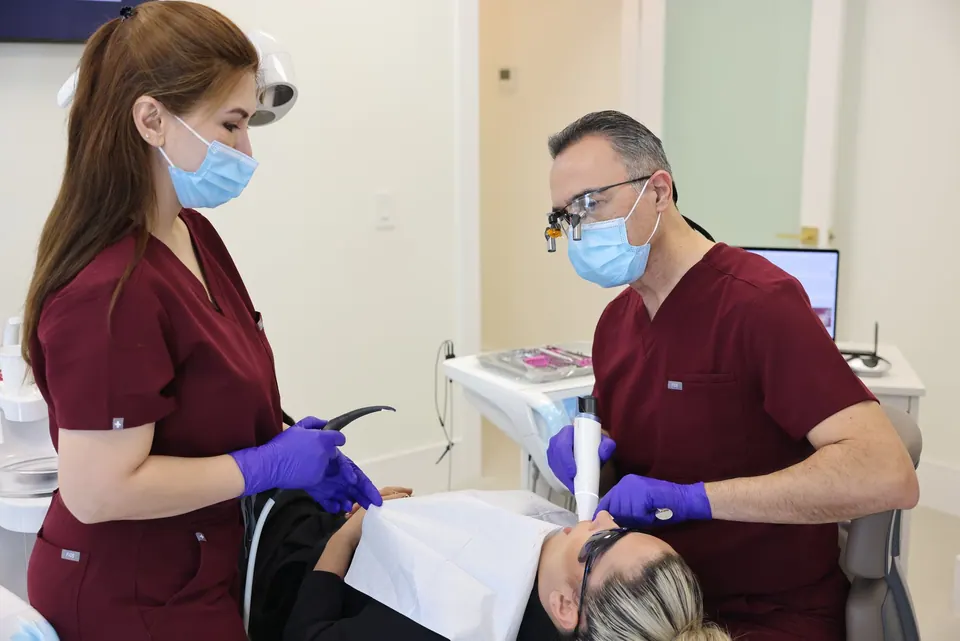
A thin rubber sheet called a dam isolates the tooth to keep it clean and dry. Your dentist locates each canal, measures its length, cleans it with fine instruments and disinfectant, and fills it. A temporary or permanent filling closes the opening. Back teeth then usually need a crown, because a root-filled tooth is more brittle.
What it feels like
Numbed. If you are nervous, say so when you book. Your dentist explains each step before it happens, agrees a signal you can use to pause, and goes at your pace.
- Care in English, فارسی or Tagalog
- Questions welcome at every step
- Ask about sedation if anxiety keeps you away
Afterwards
The tooth and gum can be tender to biting for several days. Ordinary pain relief usually helps. Avoid chewing hard foods on the tooth until its final restoration is placed.
Do
- Chew on the other side until restored
- Take pain relief as advised
- Return for the crown or filling
Don't
- Bite hard on the tooth before it's restored
- Stop antibiotics early if prescribed
- Delay the final restoration
Call us if swelling returns or pain is severe.
Myths about root canals
The reputation is worse than the reality. The pain people associate with root canals is the toothache that comes before treatment; the procedure itself is done with full numbing and relieves it. A root-filled tooth is not dead weight: it is anchored in living bone and gum and works like any other tooth. Removing the tooth is rarely the simpler choice, because replacing it takes more time and cost than saving it. And treatment doesn't make you ill: there is no reliable evidence linking root-filled teeth to disease elsewhere in the body.
Three useful questions
- Can the tooth be saved and restored?
- How many visits will it take?
- Will I need a crown afterwards?
Alternatives to root canal therapy
The only real alternative is to remove the tooth and replace it with an implant, bridge or denture, or leave a gap. Antibiotics alone do not cure an infected pulp; the infection returns.
What you pay
The fee depends on the number of canals: front teeth have one, molars three or more. Root canal treatment is covered by the CDCP and most insurance plans, with the crown assessed separately. We check your coverage first.
CDCP
- Bring
- Your CDCP card and photo ID
- We do
- Check what the plan covers before treatment and tell you about any amount you would pay
Work or private insurance
- Bring
- Your plan and member number
- We do
- Bill your insurer directly, so you pay only the part your plan doesn't cover
No insurance
- Ask
- For a cost estimate before treatment starts
- Pay
- All common payment methods are accepted
Questions about root canal therapy
The tooth is fully numbed. Most people say it feels like a long filling and relieves their pain.
Back teeth usually do, to prevent cracking.
One or two visits of about 60 to 90 minutes, depending on the tooth.
With a proper restoration and good care, a root-filled tooth can last many years.
The pain comes from inflamed tissue and pressure in the bone around the root.
Yes, unless you have had sedation.
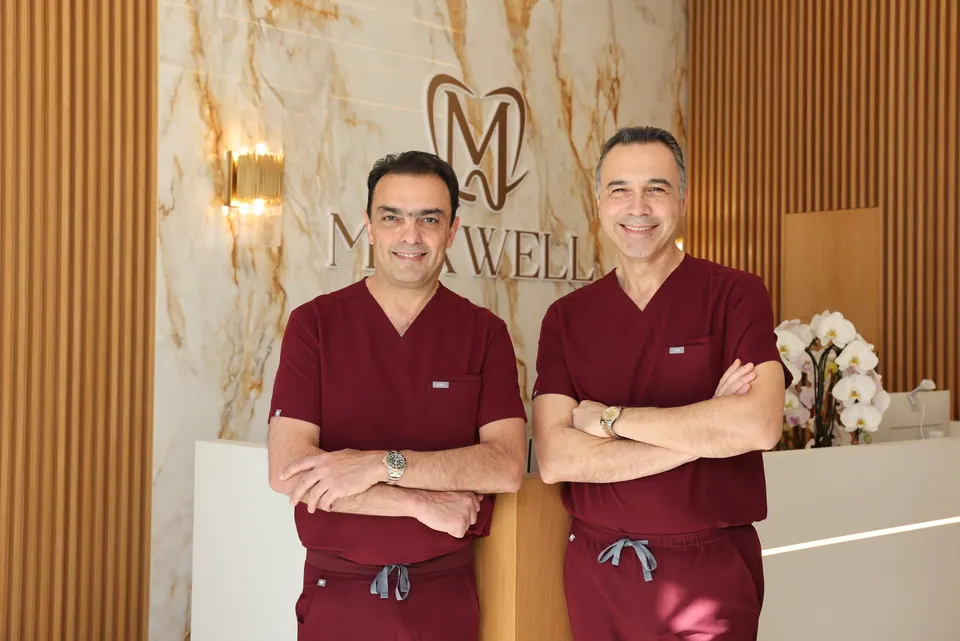
Two general dentists
Dr. Ali Ellioun has more than 30 years of clinical experience. He enjoys all aspects of general dentistry, with particular interests in restorative dentistry, root canal treatment, oral surgery, prosthodontics and implants.
Dr. Shahyar Ameryoun has over 25 years of experience in root canal therapy, crowns and bridges, restorative and preventive care, cosmetic dentistry, extractions and emergency care.
Both are registered with the Royal College of Dental Surgeons of Ontario and take the time to explain your options before treatment starts.
Coming to Maxwell Dental
Maxwell Dental is at 716 Sheppard Ave West in North York, at street level, with free parking on site. We are open Monday to Friday from 10 am to 6 pm and Saturday from 9 am to 4 pm. The team works in English, Farsi and Tagalog, so tell us which you prefer when you book.
If you are in pain, call (647) 479-4842 and we will tell you the earliest time we can see you.
Your first visit follows four steps: you request a time by phone or the form, complete your registration, have an exam with any X-rays your dentist recommends, and then hear your plan and costs before anything is started. Insurers are billed directly, CDCP patients are welcome, and you can ask for a cost estimate at any point.
Before your appointment
- Bring photo ID and your CDCP or insurance card if you have one
- Bring a list of the medicines you take
- New patients complete a short registration form; ask for it in advance if you like
- Tell us about any health changes since your last visit
Wilson Heights · Clanton Park · Bathurst Manor · Lansing–Westgate · Armour Heights · Westminster–Branson · Yonge and Sheppard
This page gives general information about root canal therapy and does not replace an examination. Your dentist will advise what is right for your mouth and health.
Last updated: November 24, 2026