
Full-arch dental implants in North York
In short: full-arch implant treatment replaces all the teeth in one jaw with a set of teeth supported by several implants, an approach often known as All-on-4. The teeth are fixed or clip firmly in place, so they do not move like a conventional denture.
Full-arch dental implants, explained
People who have lost most of their teeth, or whose remaining teeth are failing, often dread a loose denture. Full-arch implant treatment uses several implants in one jaw, commonly four to six, to carry a complete set of teeth. The name All-on-4 describes one well-known version of this idea.
The teeth may be fixed, removed only by the dental team, or made to clip on and off for cleaning. Which is suitable depends on your bone, bite, health and budget. It is major treatment, and your dentist will tell you plainly whether it is carried out at Maxwell Dental or with a specialist.
Is full-arch dental implants right for you?
One tick is enough to ask. Your dentist will confirm what you need.
Who it suits
It suits adults missing all or most teeth in a jaw who want more stability than a denture gives, and who are well enough for minor surgery. Heavy smoking, uncontrolled diabetes and some bone medicines raise the risk and are reviewed first. Some people need grafting, or are better served by an implant-retained denture.
What you gain
- Teeth that do not lift or slip
- Stronger, more confident chewing
- No palate coverage with fixed upper teeth
- Helps maintain the jawbone
Step by step
- 1
Assess
An exam, X-rays and a 3D scan where needed show how much bone you have.
- 2
Plan
You hear which options suit you and whether the treatment is done here or referred.
- 3
Place
Implants are placed and a temporary set of teeth may be fitted.
- 4
Restore
After healing, the final teeth are made and attached.
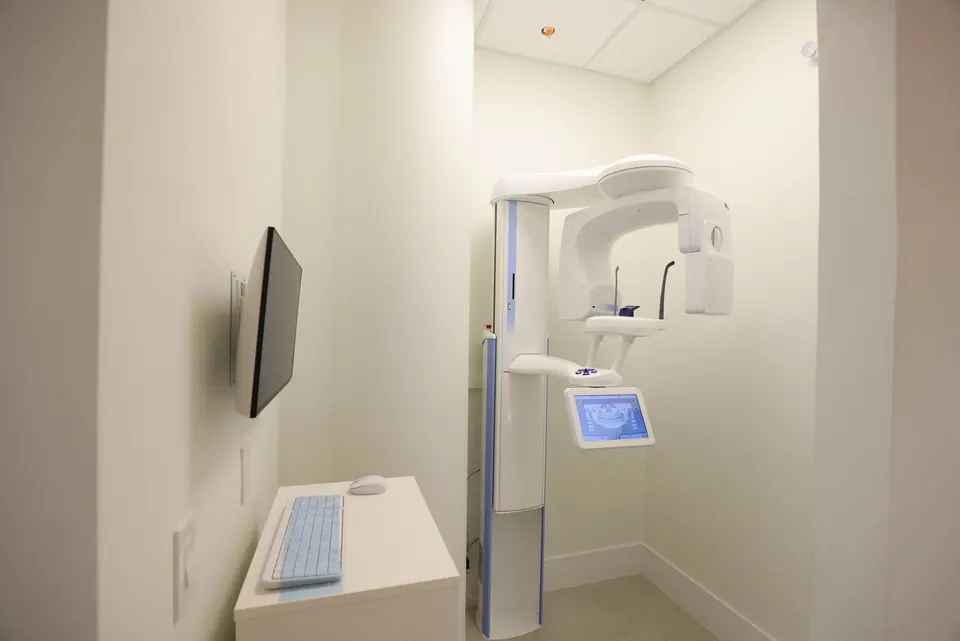
Planning is the larger part of the work: X-rays or a 3D scan, records of your bite, and a design for where the teeth should sit in your face. Any failing teeth are removed, implants placed, and temporary teeth worn while the bone bonds. The final teeth are made once healing is complete.
What it feels like
Numbed; ask about sedation. If you are nervous, say so when you book. Your dentist explains each step before it happens, agrees a signal you can use to pause, and goes at your pace.
- Care in English, فارسی or Tagalog
- Questions welcome at every step
- Ask about sedation if anxiety keeps you away
Afterwards
Swelling and bruising are common in the first week. A soft diet is essential while the implants bond, usually for several months. Long term, cleaning under the teeth daily and regular professional maintenance protect the implants.
Do
- Follow the soft diet you are given
- Clean under the teeth daily
- Keep your review visits
Don't
- Smoke during healing
- Bite hard foods on temporary teeth
- Miss hygiene visits
Call us if the teeth feel loose, the gum swells or you have pain that increases.
Questions that protect you
Full-arch treatment is advertised widely, and the details differ. Ask how many implants are planned and why, what the temporary and final teeth are made of, and what happens if an implant does not bond. Ask who does the surgery and who makes the teeth, how maintenance works, and what the yearly upkeep costs. A careful clinician will also explain when a simpler option would serve you just as well.
Three useful questions
- Am I a candidate, and what are the risks for me?
- Is this done here or by a specialist?
- What does maintenance involve each year?
Alternatives to full-arch dental implants
A conventional denture avoids surgery. An implant-supported denture uses two to four implants and clips in. Saving and restoring some natural teeth may be possible. Each option is explained with its trade-offs before you decide.
What you pay
This is a significant investment and varies with the number of implants and type of teeth. Insurance cover is usually limited and the Canadian Dental Care Plan generally does not cover implants. You receive a written plan and can ask about instalments.
CDCP
- Bring
- Your CDCP card and photo ID
- We do
- Check what the plan covers before treatment and tell you about any amount you would pay
Work or private insurance
- Bring
- Your plan and member number
- We do
- Bill your insurer directly, so you pay only the part your plan doesn't cover
No insurance
- Ask
- For a cost estimate before treatment starts
- Pay
- All common payment methods are accepted
Questions about full-arch dental implants
No. It depends on your bone, health and bite. An assessment comes first.
Usually a temporary set or your adjusted denture. Your dentist explains what applies to you.
Commonly four to six per jaw, decided from your scan.
Fixed feels closest to natural teeth; removable is easier to clean and usually costs less.
Typically several months from surgery to final teeth.
With a water flosser, small brushes and regular hygiene visits.
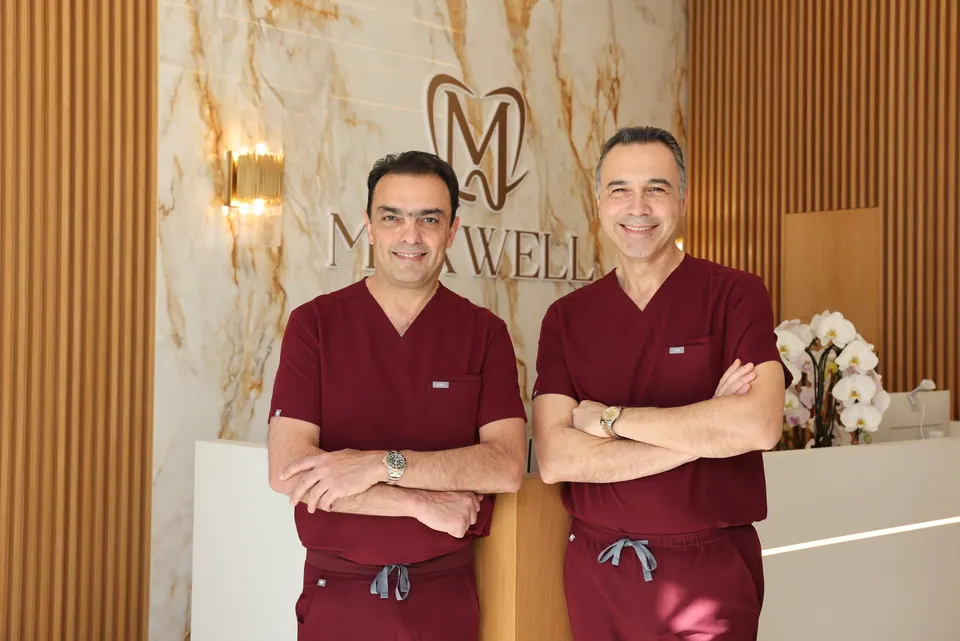
Two general dentists
Dr. Ali Ellioun has more than 30 years of clinical experience. He enjoys all aspects of general dentistry, with particular interests in restorative dentistry, root canal treatment, oral surgery, prosthodontics and implants.
Dr. Shahyar Ameryoun has over 25 years of experience in root canal therapy, crowns and bridges, restorative and preventive care, cosmetic dentistry, extractions and emergency care.
Both are registered with the Royal College of Dental Surgeons of Ontario and take the time to explain your options before treatment starts.
Coming to Maxwell Dental
Maxwell Dental is at 716 Sheppard Ave West in North York, at street level, with free parking on site. We are open Monday to Friday from 10 am to 6 pm and Saturday from 9 am to 4 pm. The team works in English, Farsi and Tagalog, so tell us which you prefer when you book.
If you are in pain, call (647) 479-4842 and we will tell you the earliest time we can see you.
Your first visit follows four steps: you request a time by phone or the form, complete your registration, have an exam with any X-rays your dentist recommends, and then hear your plan and costs before anything is started. Insurers are billed directly, CDCP patients are welcome, and you can ask for a cost estimate at any point.
Before your appointment
- Bring photo ID and your CDCP or insurance card if you have one
- Bring a list of the medicines you take
- New patients complete a short registration form; ask for it in advance if you like
- Tell us about any health changes since your last visit
Wilson Heights · Clanton Park · Bathurst Manor · Lansing–Westgate · Armour Heights · Westminster–Branson · Yonge and Sheppard
This page gives general information about full-arch dental implants and does not replace an examination. Your dentist will advise what is right for your mouth and health.
Last updated: November 24, 2026