
Toothache: causes and treatment
In short: a toothache is pain in or around a tooth, most often caused by decay reaching the nerve, a cracked tooth, an infection at the root or inflamed gums. It rarely goes away for good without treatment. A dentist finds the cause with an exam and an X-ray and treats that, not just the pain.
What causes a toothache
Pain is a signal that the nerve inside a tooth, or the tissue around it, is irritated or infected. The usual causes are:
- Tooth decay that has reached the inner layer or the nerve
- A cracked tooth or a broken or leaking filling
- An abscess at the root or in the gum
- Gum problems, including an erupting wisdom tooth
- Grinding, or a sinus infection felt in the upper back teeth
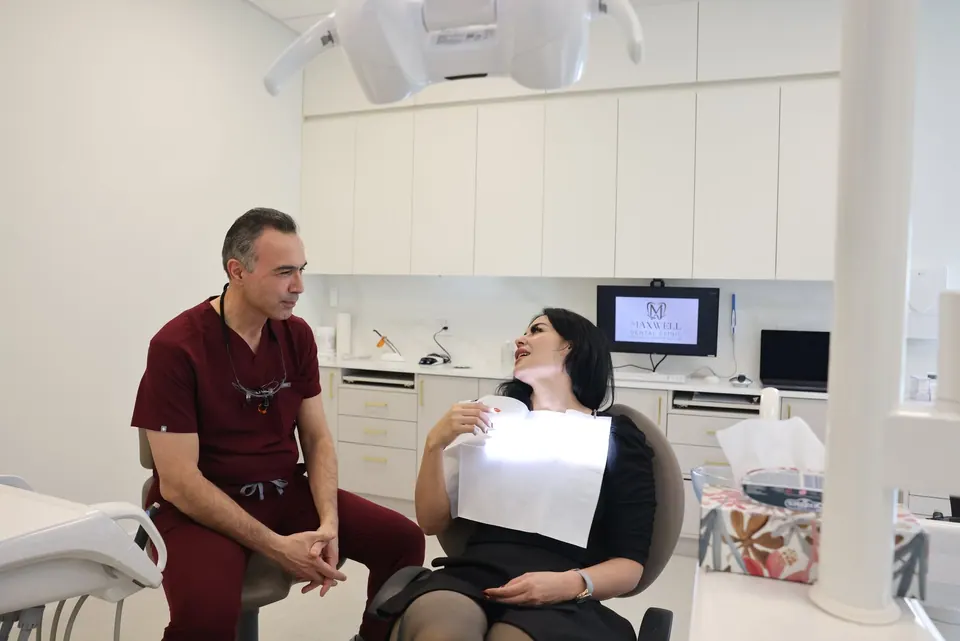
How a toothache is treated
- 1
Find the cause
Your dentist asks about the pain, tests the tooth and takes an X-ray. The pattern of pain says a lot about what is wrong.
- 2
Small decay
A filling removes the decay and seals the tooth. Pain to cold and sweet usually stops.
- 3
Nerve involved
Lingering or throbbing pain usually means the nerve is inflamed or dying. Root canal treatment removes it and keeps the tooth.
- 4
Tooth cannot be saved
A tooth that is split or too broken down is removed, and replacement is discussed.
What you can do before you are seen
Take the pain relief you would normally use for a headache, following the label, and avoid very hot, cold or sweet food and drink. Rinse gently with warm salt water and clean around the tooth; trapped food can cause surprising pain. Sleeping with your head raised can ease throbbing.
Do not place aspirin or clove oil against the gum, which can burn it, and do not apply heat to your face. If the pain suddenly stops after days of aching, the nerve may have died; the infection is still there and still needs treatment.
What the type of pain suggests
A short, sharp twinge to cold that fades in seconds often points to early decay, a worn area or a receding gum. Pain that lingers for minutes after hot or cold, or starts by itself, suggests the nerve is inflamed. Pain on biting suggests a crack or an infection at the root. A dull ache with a bad taste or swelling suggests an abscess. These are guides, not a diagnosis.
Should your toothache be seen?
One tick is enough to be seen. Call during opening hours and we will tell you the earliest time.
Until your visit
- Take your usual pain relief as the label directs
- Rinse with warm salt water
- Chew on the other side
- Call early in the day
When not to wait
Call us the same day for severe pain, swelling in the gum or face, bleeding that will not stop, or an injury to a tooth. Call early: mornings give us the most room to fit you in. Maxwell Dental is open Monday to Friday from 10 am to 6 pm and Saturday from 9 am to 4 pm, and new patients with an urgent problem are welcome. Outside those hours, a hospital emergency department can help with severe pain, bleeding or infection until a dentist can treat the tooth.
Go to a hospital emergency department if swelling is spreading toward your eye or neck, you have a fever with facial swelling, or you have any difficulty swallowing or breathing. Those signs need medical care first.
Call (647) 479-4842What to tell us when you call
- Where it is and when it started
- Whether it wakes you, or hurts with hot, cold or biting
- Any swelling, fever, bad taste or injury
- Your medicines, and whether you are pregnant
- Whether you have insurance or a Canadian Dental Care Plan card
What happens when you come in
- 1
You tell us what is wrong
Send the form or call during opening hours. Urgent problems are fitted in around booked appointments, and we tell you the earliest time we can see you.
- 2
Examination
Your dentist looks at the area, tests the tooth or gum gently and takes only the X-rays needed to find the cause. You are shown what was found.
- 3
Options and costs
You hear the options, including the simplest one, how many visits each takes and what each costs. Nothing is started until you agree.
- 4
Treatment and follow-up
Pain is dealt with first. Anything that needs a second visit is booked before you leave, with written aftercare in English, and explained in Farsi or Tagalog if you prefer.
Keeping problems from coming back
Most dental problems start small and silently. Brushing twice a day with fluoride toothpaste, cleaning between the teeth once a day and keeping sugary or acidic food and drink to mealtimes prevent the majority of decay and gum disease.
Regular exams find the rest early. A check-up every six months, or at the interval your dentist advises, includes a look at every tooth, the gums and the soft tissues, and X-rays when they are due. A small problem found at an exam is nearly always simpler and less costly to treat than the same problem found because it hurts.
If you have not seen a dentist for some time, you are welcome here without judgement. Tell us what worries you, whether that is cost, time or fear, and we will plan around it. Canadian Dental Care Plan patients are welcome and insurers are billed directly.
Habits that protect teeth
- Soft brush, two minutes, twice a day
- Floss or interdental brushes daily
- Water between meals
- A night guard if you grind; a mouthguard for contact sports
- No smoking or vaping
Three ways patients pay
CDCP
- Bring
- Your CDCP card and photo ID
- We do
- Check what the plan covers before treatment and tell you about any amount you would pay
Work or private insurance
- Bring
- Your plan and member number
- We do
- Bill your insurer directly, so you pay only the part your plan doesn't cover
No insurance
- Ask
- For a cost estimate before treatment starts
- Pay
- All common payment methods are accepted
Questions about toothache
The pain may fade, but the cause remains and usually returns worse.
Only for spreading infection. They do not fix the tooth.
Call during opening hours and we will tell you the earliest time.
Lying down raises blood pressure in the head, and there are fewer distractions.
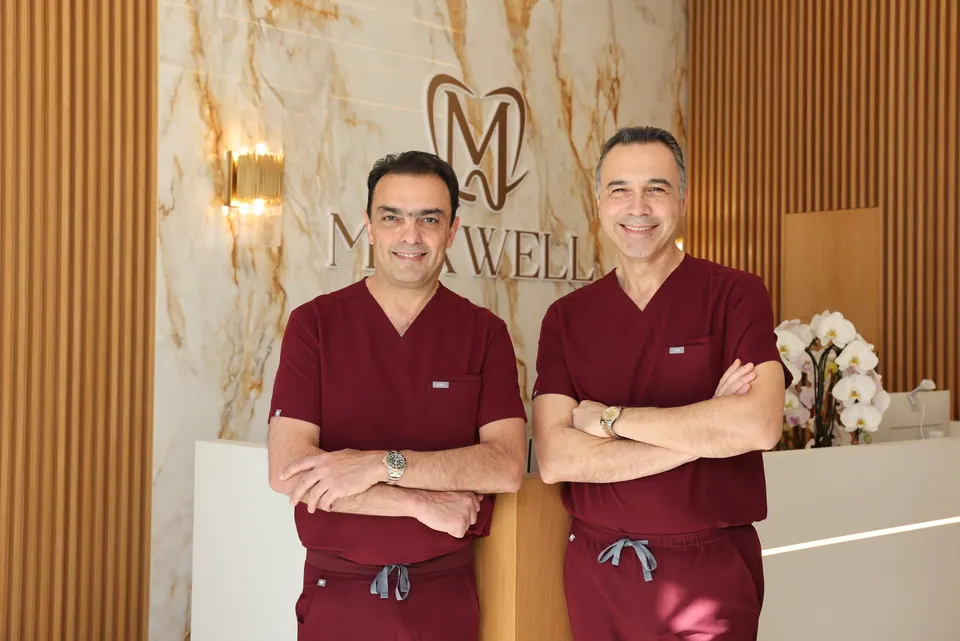
Two general dentists in North York
Dr. Ali Ellioun has more than 30 years of clinical experience, with particular interests in restorative dentistry, root canal treatment, oral surgery, prosthodontics and implants. Dr. Shahyar Ameryoun has over 25 years of experience in root canal therapy, crowns and bridges, restorative and preventive care, cosmetic dentistry, extractions and emergency care. Both are registered with the Royal College of Dental Surgeons of Ontario.
Maxwell Dental is at 716 Sheppard Ave West, at street level with free parking. We are open Monday to Friday from 10 am to 6 pm and Saturday from 9 am to 4 pm, and the team works in English, Farsi and Tagalog. Your first visit is an exam with any X-rays your dentist recommends, followed by a plan and costs before anything is started.
Wilson Heights · Clanton Park · Bathurst Manor · Lansing–Westgate · Armour Heights · Westminster–Branson · Yonge and Sheppard
This page gives general information and does not replace an examination. If you are worried, call us.
Last updated: November 24, 2026