
Emergency dentist in North York
In short: an emergency dental visit deals with severe toothache, swelling, a broken or knocked-out tooth, or a lost filling or crown that cannot wait for a routine appointment. Call Maxwell Dental during opening hours and we will tell you the earliest time we can see you.
Emergency dentist, explained
Dental pain rarely arrives at a convenient time, and it usually means something that will not settle on its own: decay that has reached the nerve, an infection at the root, a cracked tooth or a problem with a wisdom tooth. The aim of an emergency visit is to find the cause, get you out of pain and stop the problem getting worse.
At Maxwell Dental, urgent problems are fitted in around booked appointments during opening hours, Monday to Friday from 10 am to 6 pm and Saturday from 9 am to 4 pm. Dr. Shahyar Ameryoun lists emergency care among his areas of experience, and both dentists treat urgent problems for adults and children.
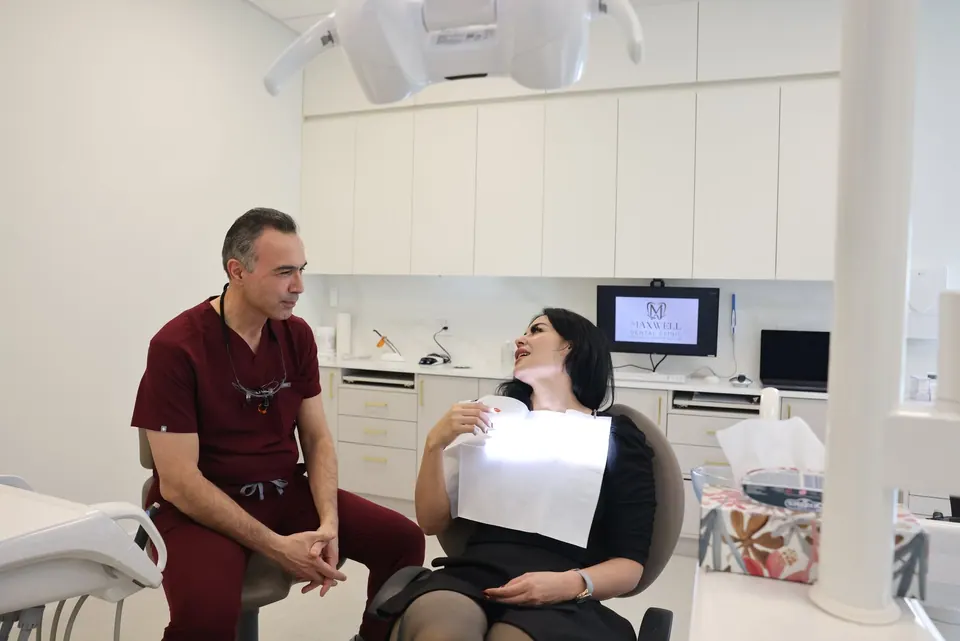
Is an emergency dentist right for you?
One tick is enough to ask. Your dentist will confirm what you need.
Who it suits
An emergency visit suits anyone with severe or worsening toothache, swelling, bleeding that will not stop, a knocked-out or broken tooth, or a lost filling or crown that leaves a tooth sharp or painful. Swelling that is spreading, a fever, or difficulty swallowing or breathing needs a hospital emergency department, not a dental clinic.
What you gain
- Pain and infection brought under control
- The cause identified, not just the symptom
- A damaged tooth protected until it is repaired
- A clear plan and cost before further treatment
Step by step
- 1
Call
Tell us what happened and how bad the pain is, so we can advise you and find a time.
- 2
Assess
Your dentist examines the area and takes an X-ray if one is needed.
- 3
Relieve
The pain or infection is brought under control and the tooth is protected.
- 4
Plan
You hear what is needed to finish the repair, and what it costs.
What happens at the visit depends on the cause. An infected nerve may be opened and dressed as the first stage of root canal treatment. A broken tooth may be smoothed and covered with a temporary filling. A tooth that cannot be saved may be removed. Antibiotics are used only when there is spreading infection; they do not cure a toothache by themselves.
What it feels like
Numbed if treatment is needed. If you are nervous, say so when you book. Your dentist explains each step before it happens, agrees a signal you can use to pause, and goes at your pace.
- Care in English, فارسی or Tagalog
- Questions welcome at every step
- Ask about sedation if anxiety keeps you away
Afterwards
You may leave with a temporary filling or dressing and a plan for a second visit. Take pain relief as advised, keep the area clean, and eat on the other side. Finishing the planned treatment matters: a temporary repair is not designed to last.
Do
- Call as early in the day as you can
- Keep a knocked-out tooth in milk and bring it
- Take the pain relief you normally can
Don't
- Put aspirin on the gum
- Wait days with swelling
- Chew on a broken tooth
Call us if swelling spreads, you have a fever, or pain returns after treatment.
What to tell us when you call
A few details help us judge how urgent the problem is and book enough time. Tell us where the pain is, when it started, whether it keeps you awake and whether hot, cold or biting sets it off. Mention any swelling, fever or injury, the medicines you take, and whether you are pregnant. If a tooth has been knocked out, say so first, because it should be put back within the hour where possible. If you are a new patient, have your insurance or CDCP details to hand.
Three useful questions
- What is causing the pain?
- What will today fix, and what needs a second visit?
- What will my plan cover?
Alternatives to emergency dentist
Waiting and taking painkillers is the common alternative, and it usually allows decay or infection to progress. Walk-in medical clinics and hospitals can treat spreading infection and prescribe pain relief, but they cannot repair teeth.
What you pay
The cost depends on what is needed: an emergency exam and X-ray, then any treatment you agree to. Insurers are billed directly, and the Canadian Dental Care Plan covers emergency exams and many urgent treatments. You are told the cost before treatment starts.
CDCP
- Bring
- Your CDCP card and photo ID
- We do
- Check what the plan covers before treatment and tell you about any amount you would pay
Work or private insurance
- Bring
- Your plan and member number
- We do
- Bill your insurer directly, so you pay only the part your plan doesn't cover
No insurance
- Ask
- For a cost estimate before treatment starts
- Pay
- All common payment methods are accepted
Questions about emergency dentist
Call us during opening hours and we will tell you the earliest time. Mornings give us the most options.
No. New patients can call with an urgent problem.
Severe pain, swelling, bleeding that will not stop, an injury to the teeth or jaw, or a knocked-out tooth.
Hold it by the crown, rinse it gently, place it back in the socket or in milk, and call straight away. Time matters.
Only if there are signs of spreading infection. Most toothaches need dental treatment, not tablets.
Saturdays from 9 am to 4 pm. The clinic is closed on Sundays.
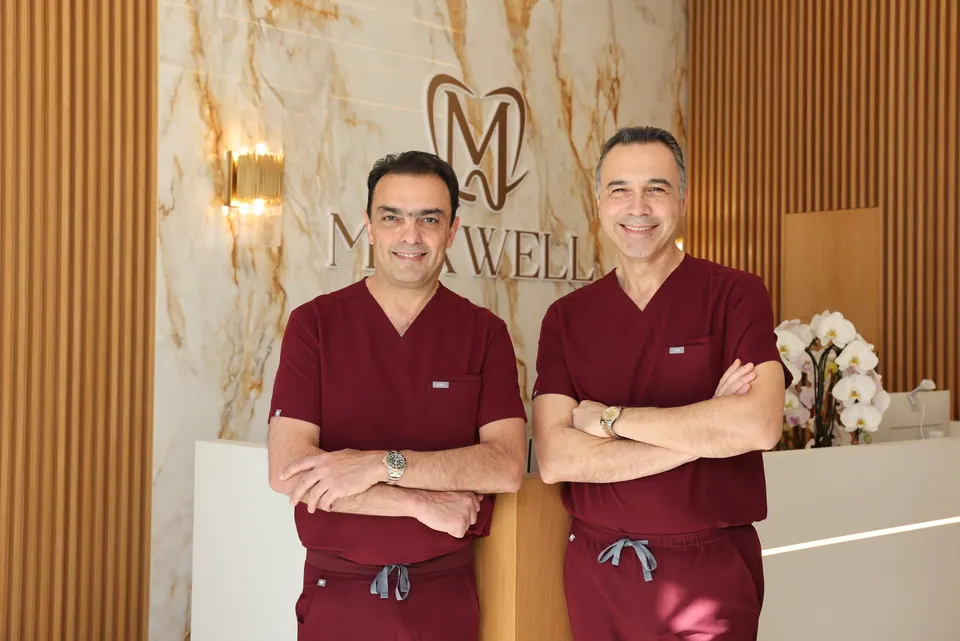
Two general dentists
Dr. Ali Ellioun has more than 30 years of clinical experience. He enjoys all aspects of general dentistry, with particular interests in restorative dentistry, root canal treatment, oral surgery, prosthodontics and implants.
Dr. Shahyar Ameryoun has over 25 years of experience in root canal therapy, crowns and bridges, restorative and preventive care, cosmetic dentistry, extractions and emergency care.
Both are registered with the Royal College of Dental Surgeons of Ontario and take the time to explain your options before treatment starts.
Coming to Maxwell Dental
Maxwell Dental is at 716 Sheppard Ave West in North York, at street level, with free parking on site. We are open Monday to Friday from 10 am to 6 pm and Saturday from 9 am to 4 pm. The team works in English, Farsi and Tagalog, so tell us which you prefer when you book.
If you are in pain, call (647) 479-4842 and we will tell you the earliest time we can see you.
Your first visit follows four steps: you request a time by phone or the form, complete your registration, have an exam with any X-rays your dentist recommends, and then hear your plan and costs before anything is started. Insurers are billed directly, CDCP patients are welcome, and you can ask for a cost estimate at any point.
Before your appointment
- Bring photo ID and your CDCP or insurance card if you have one
- Bring a list of the medicines you take
- New patients complete a short registration form; ask for it in advance if you like
- Tell us about any health changes since your last visit
Wilson Heights · Clanton Park · Bathurst Manor · Lansing–Westgate · Armour Heights · Westminster–Branson · Yonge and Sheppard
This page gives general information about emergency dentist and does not replace an examination. Your dentist will advise what is right for your mouth and health.
Last updated: November 24, 2026