
Dental bonding in North York
In short: dental bonding uses tooth-coloured resin, shaped by hand and hardened with a light, to repair chips, close small gaps or reshape a tooth. It usually needs little or no drilling and is done in one visit.
Dental bonding, explained
Bonding is the most conservative way to repair or reshape a tooth. The surface is lightly prepared, a tooth-coloured composite resin is applied like putty, sculpted to shape and hardened with a curing light, then polished to blend with the tooth.
Because the resin is added rather than tooth being taken away, bonding is usually reversible and often needs no anaesthetic.
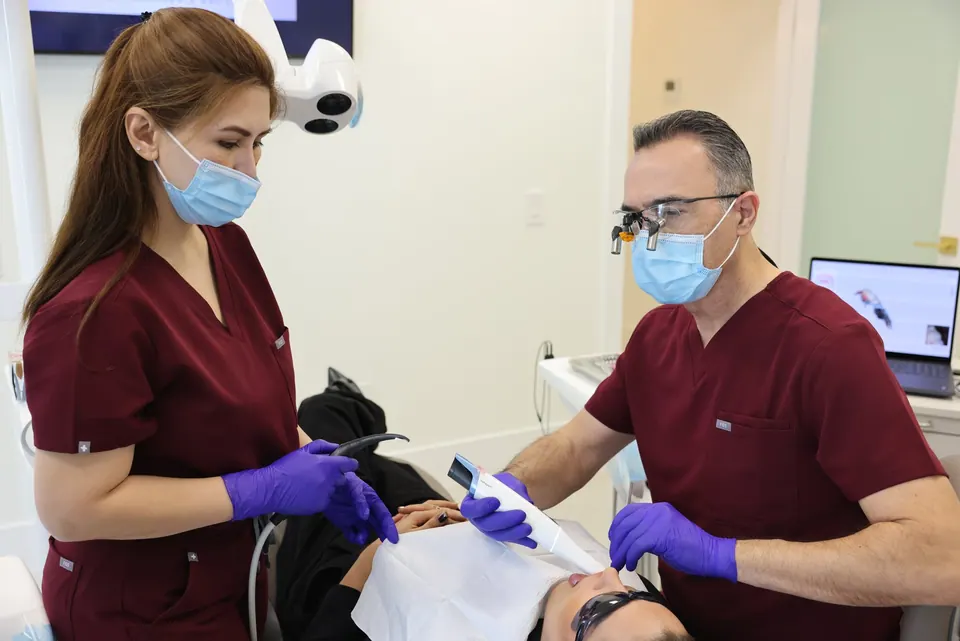
Is dental bonding right for you?
One tick is enough to ask. Your dentist will confirm what you need.
Who it suits
Bonding suits small chips, short or uneven edges, small gaps between front teeth, and covering a stained spot or an exposed root. It is less suitable for large changes, heavy biters or people who want the most stain-resistant result, where veneers may serve better.
What you gain
- Usually one visit
- Little or no removal of tooth
- Lower cost than veneers
- Easy to repair or adjust
Step by step
- 1
Shade
The resin shade is matched.
- 2
Bond
Resin is applied and shaped.
- 3
Set and polish
It is hardened and polished.
Your dentist selects resin shades to match your tooth, sometimes layering more than one to mimic natural translucency. If you plan to whiten, do it first: resin doesn't whiten, so the bonding is matched to your new shade. Bonding is also used to cover a root surface exposed by gum recession, which protects the softer root from wear and reduces sensitivity to cold, and to rebuild the worn biting edges of front teeth so they look their original length again.
What it feels like
Often no numbing. If you are nervous, say so when you book. Your dentist explains each step before it happens, agrees a signal you can use to pause, and goes at your pace.
- Care in English, فارسی or Tagalog
- Questions welcome at every step
- Ask about sedation if anxiety keeps you away
Afterwards
There is no recovery time. For the first two days avoid strongly coloured food and drink. Bonded edges can chip if you bite nails, pens or ice.
Do
- Brush and floss as normal
- Have it polished at cleanings
- Wear a guard for sports
Don't
- Bite nails or hard objects
- Expect it to whiten later
- Ignore a rough edge
Call us if the bonding chips or stains.
Bonding, step by step, and what to expect over time
Because bonding is shaped by hand directly on the tooth, the result depends on careful colour matching and finishing. Your dentist roughens the surface slightly, applies a bonding liquid, then adds resin in thin layers, shaping each one before hardening it with a light. The final shaping and polishing take the most time and are what make the repair blend in. Over the years bonding can lose some of its shine or pick up stain at the edge; a quick polish at a cleaning visit often restores it. If a corner chips, it can usually be repaired in a short appointment without redoing the whole thing. Whitening later will not change the colour of bonded resin, so tell your dentist if you are thinking about whitening.
Three useful questions
- Is bonding strong enough for this tooth?
- Should I whiten first?
- How long should it last for me?
Alternatives to dental bonding
Veneers last longer and resist staining. Enamel reshaping alone can smooth a small chip. Orthodontic treatment closes gaps by moving teeth.
What you pay
Priced per tooth and by complexity. Repairing a chipped tooth may be covered as a filling by insurance; purely cosmetic bonding usually is not.
CDCP
- Bring
- Your CDCP card and photo ID
- We do
- Check what the plan covers before treatment and tell you about any amount you would pay
Work or private insurance
- Bring
- Your plan and member number
- We do
- Bill your insurer directly, so you pay only the part your plan doesn't cover
No insurance
- Ask
- For a cost estimate before treatment starts
- Pay
- All common payment methods are accepted
Questions about dental bonding
Several years; it can chip and stain more easily than a veneer but is simple to repair.
Over time it can pick up stain from coffee, tea and smoking. Polishing at cleanings helps.
Yes, it can be polished away or replaced.
The shade is chosen to match and blended at the edges.
Normal brushing and flossing, and avoid biting hard objects with the bonded teeth.
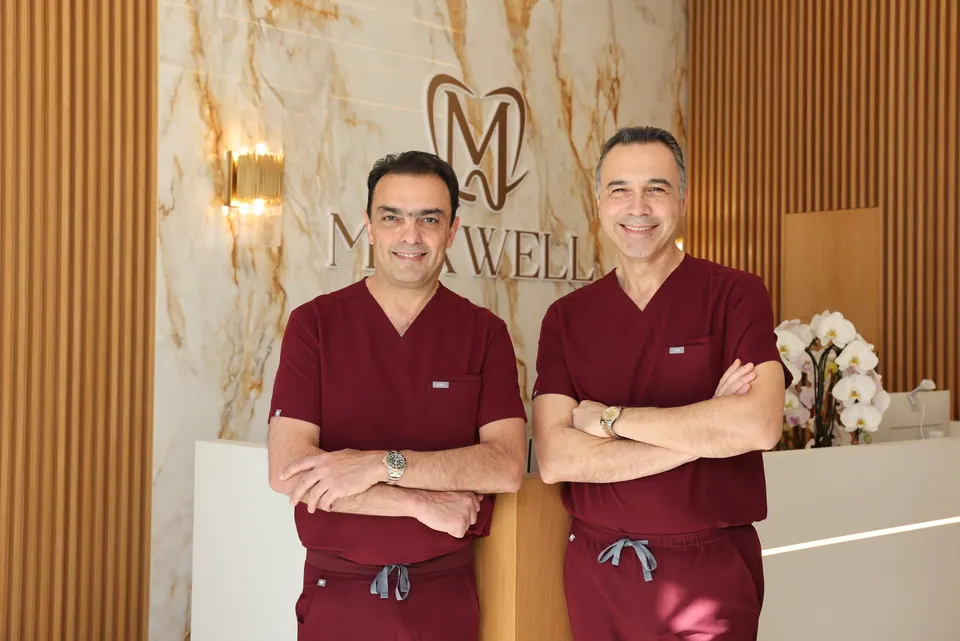
Two general dentists
Dr. Ali Ellioun has more than 30 years of clinical experience. He enjoys all aspects of general dentistry, with particular interests in restorative dentistry, root canal treatment, oral surgery, prosthodontics and implants.
Dr. Shahyar Ameryoun has over 25 years of experience in root canal therapy, crowns and bridges, restorative and preventive care, cosmetic dentistry, extractions and emergency care.
Both are registered with the Royal College of Dental Surgeons of Ontario and take the time to explain your options before treatment starts.
Coming to Maxwell Dental
Maxwell Dental is at 716 Sheppard Ave West in North York, at street level, with free parking on site. We are open Monday to Friday from 10 am to 6 pm and Saturday from 9 am to 4 pm. The team works in English, Farsi and Tagalog, so tell us which you prefer when you book.
If you are in pain, call (647) 479-4842 and we will tell you the earliest time we can see you.
Your first visit follows four steps: you request a time by phone or the form, complete your registration, have an exam with any X-rays your dentist recommends, and then hear your plan and costs before anything is started. Insurers are billed directly, CDCP patients are welcome, and you can ask for a cost estimate at any point.
Before your appointment
- Bring photo ID and your CDCP or insurance card if you have one
- Bring a list of the medicines you take
- New patients complete a short registration form; ask for it in advance if you like
- Tell us about any health changes since your last visit
Wilson Heights · Clanton Park · Bathurst Manor · Lansing–Westgate · Armour Heights · Westminster–Branson · Yonge and Sheppard
This page gives general information about dental bonding and does not replace an examination. Your dentist will advise what is right for your mouth and health.
Last updated: November 24, 2026