
Denture relines and repairs in North York
In short: a reline reshapes the inside of a denture so it fits gums that have changed, and a repair fixes a crack, a broken tooth or a clasp. Both can make a loose or damaged denture comfortable again without replacing it.
Denture relines and repairs, explained
Gums and the bone beneath them keep changing shape after teeth are lost, fastest in the first year and slowly for life. A denture that fitted well becomes loose, rocks when you chew and rubs sore spots. A reline adds new material to the fitting surface so the denture matches your gums again.
Dentures also break: they are dropped in the sink, a tooth pops off, or a clasp snaps on a partial. Most breaks can be repaired, and the repair is stronger when every fragment is kept. Ask us how the work is arranged and how long you would be without your denture.
Is denture relines and repairs right for you?
One tick is enough to ask. Your dentist will confirm what you need.
Who it suits
Relines suit dentures whose teeth and base are still sound but whose fit has loosened. Repairs suit clean breaks and lost teeth. A denture that is badly worn, has been repaired several times, or no longer supports your bite and face is usually better replaced.
What you gain
- Restores a snug, stable fit
- Stops rubbing and sore spots
- Usually costs less than a new denture
- Extends the life of a sound denture
Step by step
- 1
Check
Your dentist examines the denture and your gums.
- 2
Advise
You hear whether an adjustment, reline, repair or new denture makes sense.
- 3
Do
An impression is taken inside the denture for a reline, or the repair is arranged.
- 4
Refit
The denture is checked in your mouth and adjusted.
For a reline, an impression is taken inside your own denture while you close gently, capturing the current shape of your gums. A soft reline uses a cushioned material for tender gums. Your dentist also checks the bite, because worn denture teeth change how the jaws meet.
What it feels like
No numbing needed. If you are nervous, say so when you book. Your dentist explains each step before it happens, agrees a signal you can use to pause, and goes at your pace.
- Care in English, فارسی or Tagalog
- Questions welcome at every step
- Ask about sedation if anxiety keeps you away
Afterwards
A relined denture feels tighter at first. Mild pressure spots can appear in the first days and are easily eased, so come back if they do not settle. Keep cleaning the denture daily and leave it out at night.
Do
- Bring every piece of a broken denture
- Keep the denture moist
- Ask how long you will be without it
Don't
- Glue it yourself
- File or bend it at home
- Wear a denture with a sharp crack
Call us if a repaired denture feels different or a sore spot does not settle.
Reline, repair or replace?
A simple test helps. If the denture teeth are still sharp-edged and the base is intact but it has become loose, a reline is likely to help. If one clean break or a lost tooth is the only problem, a repair is sensible. If the teeth are worn flat, your chin sits closer to your nose than it used to, or the denture has been repaired more than once, replacement usually gives a better result for the money.
Three useful questions
- Is my denture worth relining?
- How long will I be without it?
- Is this covered by my plan?
Alternatives to denture relines and repairs
Denture adhesive can help for a short time but does not correct a poor fit. A new denture is the answer when the old one is worn out. Implants can hold a lower denture steady when relines no longer help.
What you pay
Relines and repairs cost much less than a new denture. Insurance plans and the Canadian Dental Care Plan cover relines, rebases and repairs within set frequency limits. We check your coverage before work begins.
CDCP
- Bring
- Your CDCP card and photo ID
- We do
- Check what the plan covers before treatment and tell you about any amount you would pay
Work or private insurance
- Bring
- Your plan and member number
- We do
- Bill your insurer directly, so you pay only the part your plan doesn't cover
No insurance
- Ask
- For a cost estimate before treatment starts
- Pay
- All common payment methods are accepted
Questions about denture relines and repairs
The denture drops, rocks or traps food more than before.
Not always. Your dentist will tell you honestly if a new one is the better choice.
Often every two to three years, sooner after extractions.
Please do not. Household glue is not safe in the mouth and makes a proper repair harder.
The whole pink base is replaced while the teeth are kept.
It can cause sores and speed up bone loss, so it is worth correcting.
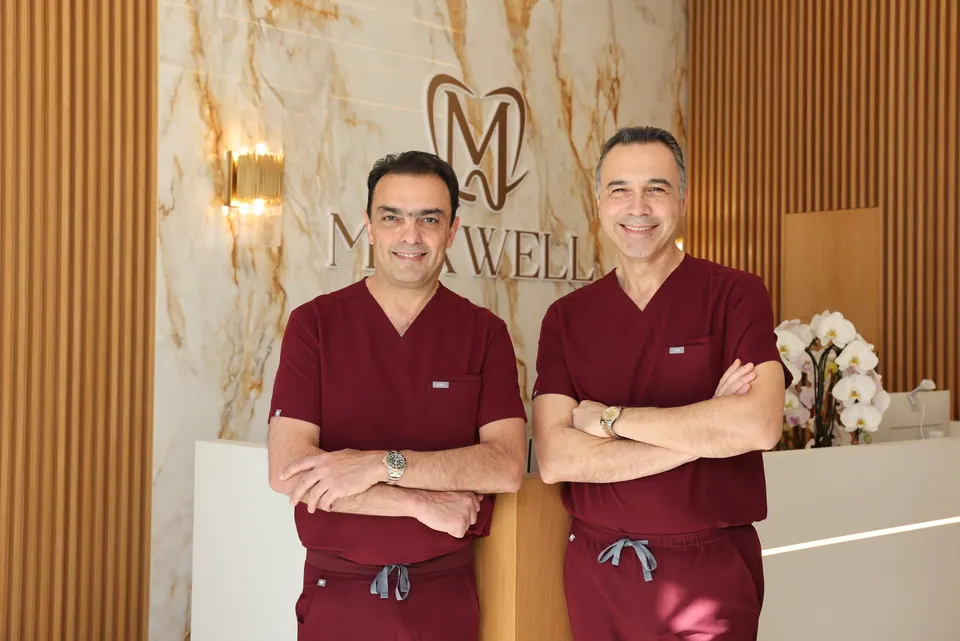
Two general dentists
Dr. Ali Ellioun has more than 30 years of clinical experience. He enjoys all aspects of general dentistry, with particular interests in restorative dentistry, root canal treatment, oral surgery, prosthodontics and implants.
Dr. Shahyar Ameryoun has over 25 years of experience in root canal therapy, crowns and bridges, restorative and preventive care, cosmetic dentistry, extractions and emergency care.
Both are registered with the Royal College of Dental Surgeons of Ontario and take the time to explain your options before treatment starts.
Coming to Maxwell Dental
Maxwell Dental is at 716 Sheppard Ave West in North York, at street level, with free parking on site. We are open Monday to Friday from 10 am to 6 pm and Saturday from 9 am to 4 pm. The team works in English, Farsi and Tagalog, so tell us which you prefer when you book.
If you are in pain, call (647) 479-4842 and we will tell you the earliest time we can see you.
Your first visit follows four steps: you request a time by phone or the form, complete your registration, have an exam with any X-rays your dentist recommends, and then hear your plan and costs before anything is started. Insurers are billed directly, CDCP patients are welcome, and you can ask for a cost estimate at any point.
Before your appointment
- Bring photo ID and your CDCP or insurance card if you have one
- Bring a list of the medicines you take
- New patients complete a short registration form; ask for it in advance if you like
- Tell us about any health changes since your last visit
Wilson Heights · Clanton Park · Bathurst Manor · Lansing–Westgate · Armour Heights · Westminster–Branson · Yonge and Sheppard
This page gives general information about denture relines and repairs and does not replace an examination. Your dentist will advise what is right for your mouth and health.
Last updated: November 24, 2026