
Gingivitis treatment in North York
In short: gingivitis is early gum disease: gums that are red, puffy and bleed when you brush. It is caused by plaque left along the gumline and is reversible with a professional cleaning and better daily cleaning at home.
Gingivitis treatment, explained
Plaque is a soft film of bacteria that forms on teeth every day. Left along the gumline, it irritates the gums within days: they redden, swell and bleed easily. This is gingivitis. It is very common, usually painless, and at this stage no bone has been lost, so the gums can return to full health.
Plaque that is not removed hardens into tartar, which cannot be brushed off and holds more plaque against the gums. A professional cleaning removes it. The other half of the treatment happens at home, and the team shows you exactly where and how to clean.
Is a gingivitis treatment right for you?
One tick is enough to ask. Your dentist will confirm what you need.
Who it suits
Treatment suits anyone whose gums bleed, look puffy or feel tender. Pregnancy, diabetes, some medicines, smoking and braces or aligners make gingivitis more likely. If measuring shows deeper pockets or bone loss, your dentist will discuss treatment for gum disease instead.
What you gain
- Stops bleeding and swelling
- Fresher breath
- Prevents progression to gum disease
- Reversible at this stage
Step by step
- 1
Measure
The gums are checked and gently measured.
- 2
Clean
Plaque and tartar are removed above and just below the gumline.
- 3
Coach
You are shown where plaque is being missed.
- 4
Review
Healing is checked at a follow-up.
Your gums are measured with a fine probe to make sure the problem is limited to the surface. Scaling instruments and polishing remove deposits, and areas you are missing are pointed out, often with a mirror. A follow-up a few weeks later confirms the gums have tightened and stopped bleeding.
What it feels like
Usually no numbing. If you are nervous, say so when you book. Your dentist explains each step before it happens, agrees a signal you can use to pause, and goes at your pace.
- Care in English, فارسی or Tagalog
- Questions welcome at every step
- Ask about sedation if anxiety keeps you away
Afterwards
Gums may be tender for a day. Bleeding when you brush often increases briefly as you start cleaning properly and then fades over one to two weeks. Keep going: gentle, thorough cleaning is what heals the gums.
Do
- Brush twice a day along the gumline
- Clean between your teeth daily
- Keep brushing even if gums bleed
Don't
- Avoid brushing sore gums
- Rely on mouthwash alone
- Skip the follow-up
Call us if gums are still bleeding after two weeks of good cleaning.
Cleaning that heals gums
Angle the bristles toward the gumline and use small, gentle strokes; scrubbing hard damages gums without removing more plaque. Spend two minutes, twice a day. Clean between the teeth once a day with floss or interdental brushes sized by your hygienist. Expect a little bleeding at first. If one area keeps bleeding after two weeks, it may have tartar below the gum or an awkward filling edge, and is worth showing us.
Three useful questions
- Where am I missing plaque?
- Which size of interdental brush should I use?
- How often do I need cleanings?
Alternatives to gingivitis treatment
Mouthwash can reduce bacteria for a short time but does not remove tartar. Leaving gingivitis untreated allows it to progress, in some people, to periodontitis, where bone around the teeth is lost permanently.
What you pay
Cleanings are a basic preventive service under most insurance plans and are covered by the Canadian Dental Care Plan within set time limits. We check your coverage before your visit.
CDCP
- Bring
- Your CDCP card and photo ID
- We do
- Check what the plan covers before treatment and tell you about any amount you would pay
Work or private insurance
- Bring
- Your plan and member number
- We do
- Bill your insurer directly, so you pay only the part your plan doesn't cover
No insurance
- Ask
- For a cost estimate before treatment starts
- Pay
- All common payment methods are accepted
Questions about gingivitis treatment
Yes. With a cleaning and consistent home care, gums usually recover within a few weeks.
No. It is a sign of inflammation, and usually improves as you keep flossing.
Gingivitis affects the gums only and is reversible. Periodontitis involves loss of bone and needs ongoing care.
A soft brush, manual or electric, used for two minutes twice a day.
Hormones make gums react more to plaque. Cleanings are safe and helpful in pregnancy.
Often within one to two weeks of a cleaning and good home care.
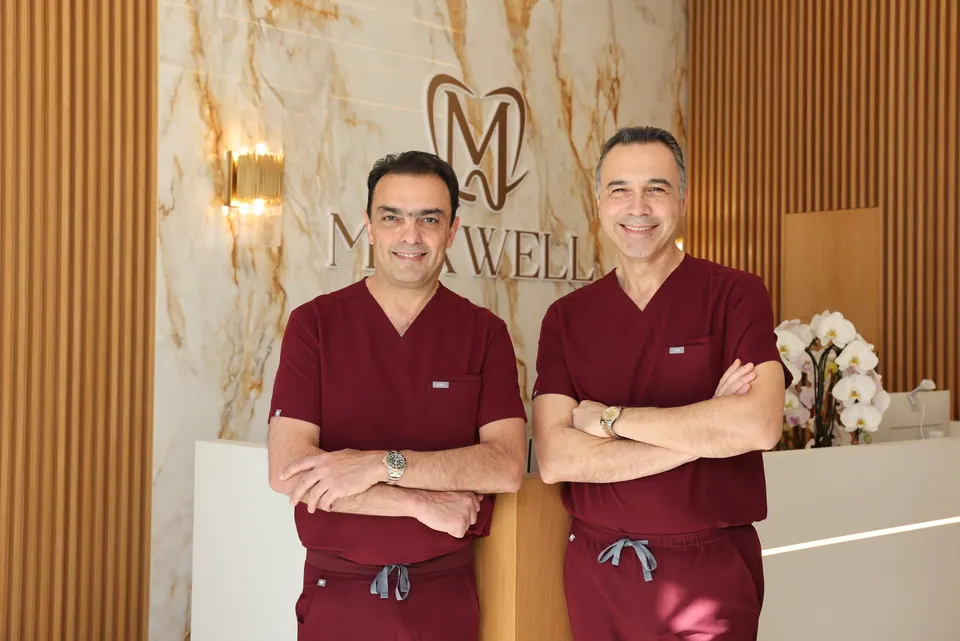
Two general dentists
Dr. Ali Ellioun has more than 30 years of clinical experience. He enjoys all aspects of general dentistry, with particular interests in restorative dentistry, root canal treatment, oral surgery, prosthodontics and implants.
Dr. Shahyar Ameryoun has over 25 years of experience in root canal therapy, crowns and bridges, restorative and preventive care, cosmetic dentistry, extractions and emergency care.
Both are registered with the Royal College of Dental Surgeons of Ontario and take the time to explain your options before treatment starts.
Coming to Maxwell Dental
Maxwell Dental is at 716 Sheppard Ave West in North York, at street level, with free parking on site. We are open Monday to Friday from 10 am to 6 pm and Saturday from 9 am to 4 pm. The team works in English, Farsi and Tagalog, so tell us which you prefer when you book.
If you are in pain, call (647) 479-4842 and we will tell you the earliest time we can see you.
Your first visit follows four steps: you request a time by phone or the form, complete your registration, have an exam with any X-rays your dentist recommends, and then hear your plan and costs before anything is started. Insurers are billed directly, CDCP patients are welcome, and you can ask for a cost estimate at any point.
Before your appointment
- Bring photo ID and your CDCP or insurance card if you have one
- Bring a list of the medicines you take
- New patients complete a short registration form; ask for it in advance if you like
- Tell us about any health changes since your last visit
Wilson Heights · Clanton Park · Bathurst Manor · Lansing–Westgate · Armour Heights · Westminster–Branson · Yonge and Sheppard
This page gives general information about gingivitis treatment and does not replace an examination. Your dentist will advise what is right for your mouth and health.
Last updated: November 24, 2026