
Scaling and root planing in North York
In short: scaling and root planing is a deep cleaning below the gumline. Tartar and bacteria are removed from the roots and the root surfaces smoothed so the gums can heal and tighten around the teeth.
Scaling and root planing, explained
When pockets around the teeth are deeper than a toothbrush or floss can reach, tartar and bacteria collect on the root surfaces and the gum can't reattach. Scaling removes those deposits; root planing smooths the root so it is harder for bacteria to settle and easier for the gum to heal against it.
It is the standard first treatment for periodontitis and is often all that is needed when combined with good home care and regular maintenance.
Is scaling and root planing right for you?
One tick is enough to ask. Your dentist will confirm what you need.
Who it suits
It is recommended when gum measurements show pockets of four millimetres or more with bleeding, or when X-rays show tartar below the gumline and bone loss. Tell us about heart conditions, joint replacements, blood thinners and diabetes before treatment.
What you gain
- Removes the cause of gum inflammation
- Allows gums to tighten and pockets to shrink
- Done with numbing for comfort
- Avoids or delays gum surgery in many cases
Step by step
- 1
Numb
The area is numbed.
- 2
Scale
Tartar is removed from the roots.
- 3
Smooth
Root surfaces are smoothed.
- 4
Re-check
Pockets are measured again after healing.
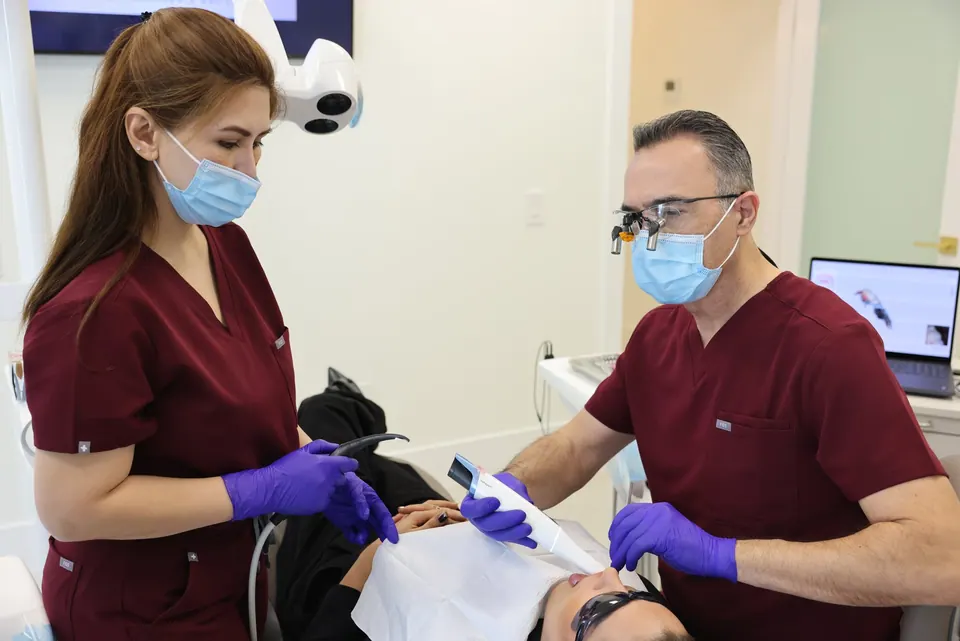
Your dentist or hygienist uses ultrasonic and hand instruments. The mouth is usually treated in two to four sections over separate visits so that only part of your mouth is numb at a time. A re-evaluation four to six weeks later measures the pockets again.
What it feels like
Numbed. If you are nervous, say so when you book. Your dentist explains each step before it happens, agrees a signal you can use to pause, and goes at your pace.
- Care in English, فارسی or Tagalog
- Questions welcome at every step
- Ask about sedation if anxiety keeps you away
Afterwards
Expect tenderness for a day or two and some sensitivity to cold for a few weeks. Use a soft brush, rinse with warm salt water, and avoid smoking, which slows healing.
Do
- Use a soft brush while gums heal
- Rinse as advised
- Return for the re-check
Don't
- Smoke
- Eat spicy or crunchy foods the first day
- Skip maintenance cleanings
Call us if bleeding or pain increases after two days.
How we judge whether it has worked
Success is measured, not guessed. Before treatment your dentist records the depth of the pocket at six points around every tooth and notes where the gums bleed. About four to six weeks after the last session, the same measurements are taken again. Healthy results are shallower pockets, firm pink gums and little or no bleeding. Sites that haven't improved are cleaned again or, if they remain deep, discussed for referral to a periodontist. After that you move to maintenance cleanings, usually every three or four months, because the bacteria that cause periodontitis return to their previous levels within about that time. Keeping those appointments is what protects the improvement.
Three useful questions
- Which areas need deep cleaning?
- When will you re-measure?
- What happens if pockets stay deep?
Alternatives to scaling and root planing
A regular cleaning treats only above and just below the gumline, so it doesn't resolve deep pockets. If pockets remain deep after scaling and root planing, referral for specialist periodontal treatment may be advised.
What you pay
Charged by units of time. Plans set yearly limits on scaling units, and extra units can sometimes be approved. We confirm what your plan allows.
CDCP
- Bring
- Your CDCP card and photo ID
- We do
- Check what the plan covers before treatment and tell you about any amount you would pay
Work or private insurance
- Bring
- Your plan and member number
- We do
- Bill your insurer directly, so you pay only the part your plan doesn't cover
No insurance
- Ask
- For a cost estimate before treatment starts
- Pay
- All common payment methods are accepted
Questions about scaling and root planing
The area is numbed. Gums can be tender for a few days afterwards.
It goes deeper under the gum and treats the root surfaces, with numbing.
Typically two to four, plus a re-check.
They can feel slightly different as swelling settles; most firm up as the gums heal.
Yes. Numbness wears off in a few hours.
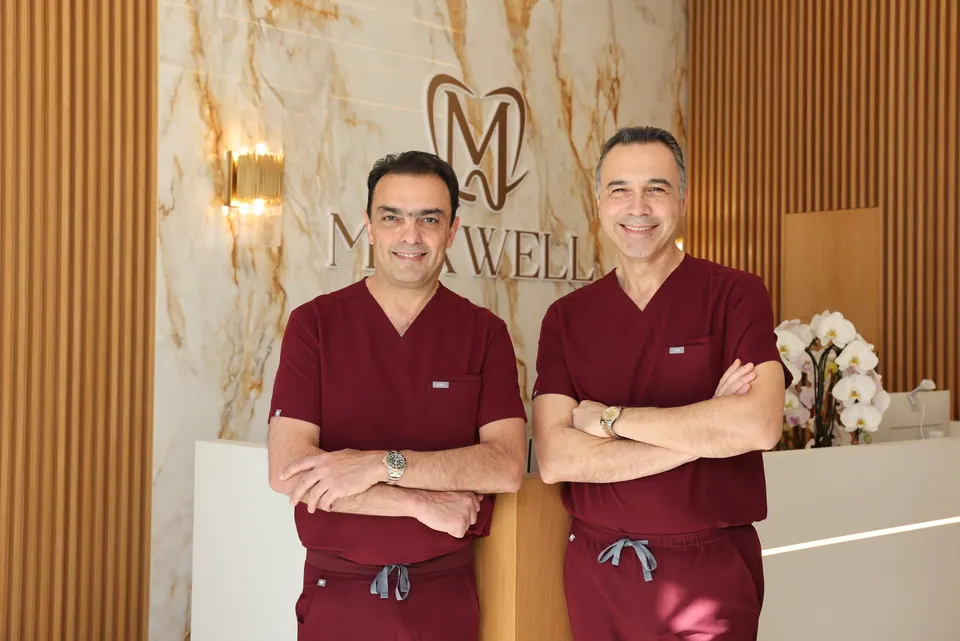
Two general dentists
Dr. Ali Ellioun has more than 30 years of clinical experience. He enjoys all aspects of general dentistry, with particular interests in restorative dentistry, root canal treatment, oral surgery, prosthodontics and implants.
Dr. Shahyar Ameryoun has over 25 years of experience in root canal therapy, crowns and bridges, restorative and preventive care, cosmetic dentistry, extractions and emergency care.
Both are registered with the Royal College of Dental Surgeons of Ontario and take the time to explain your options before treatment starts.
Coming to Maxwell Dental
Maxwell Dental is at 716 Sheppard Ave West in North York, at street level, with free parking on site. We are open Monday to Friday from 10 am to 6 pm and Saturday from 9 am to 4 pm. The team works in English, Farsi and Tagalog, so tell us which you prefer when you book.
If you are in pain, call (647) 479-4842 and we will tell you the earliest time we can see you.
Your first visit follows four steps: you request a time by phone or the form, complete your registration, have an exam with any X-rays your dentist recommends, and then hear your plan and costs before anything is started. Insurers are billed directly, CDCP patients are welcome, and you can ask for a cost estimate at any point.
Before your appointment
- Bring photo ID and your CDCP or insurance card if you have one
- Bring a list of the medicines you take
- New patients complete a short registration form; ask for it in advance if you like
- Tell us about any health changes since your last visit
Wilson Heights · Clanton Park · Bathurst Manor · Lansing–Westgate · Armour Heights · Westminster–Branson · Yonge and Sheppard
This page gives general information about scaling and root planing and does not replace an examination. Your dentist will advise what is right for your mouth and health.
Last updated: November 24, 2026