
Periodontal maintenance in North York
In short: periodontal maintenance is a regular deep-reaching cleaning for people who have had gum disease. Every three to four months, plaque and tartar are removed from below the gumline and the gums are measured, to keep the disease from returning.
Periodontal maintenance, explained
Gum disease can be controlled but not cured. After scaling and root planing, the bacteria that cause it rebuild below the gumline within about three months. Maintenance visits are timed to disrupt them before they do more damage, which is why they are more frequent than ordinary cleanings.
Each visit includes measuring the gum pockets, noting any bleeding, cleaning root surfaces above and below the gumline, polishing, and reviewing your home care. The record built up over time shows whether your gums are stable or whether an area needs further treatment.
Is a periodontal maintenance right for you?
One tick is enough to ask. Your dentist will confirm what you need.
Who it suits
It is for people who have been treated for periodontitis, and is often advised for those with implants, diabetes, or a history of heavy tartar. If pockets deepen despite good maintenance, your dentist may recommend further treatment or referral to a gum specialist.
What you gain
- Keeps treated gum disease under control
- Helps you keep your teeth longer
- Early warning if an area worsens
- Protects implants and bridgework
Step by step
- 1
Review
Your health, medicines and home care are reviewed.
- 2
Measure
Pocket depths and bleeding are recorded.
- 3
Clean
Deposits are removed above and below the gumline.
- 4
Plan
The interval to your next visit is confirmed.
Sites that bleed or measure deeper than before receive extra attention. Numbing gel or local anaesthetic is available for tender areas. X-rays are taken from time to time to check bone levels. The interval is personal: three months is common, and it can be adjusted as your gums respond.
What it feels like
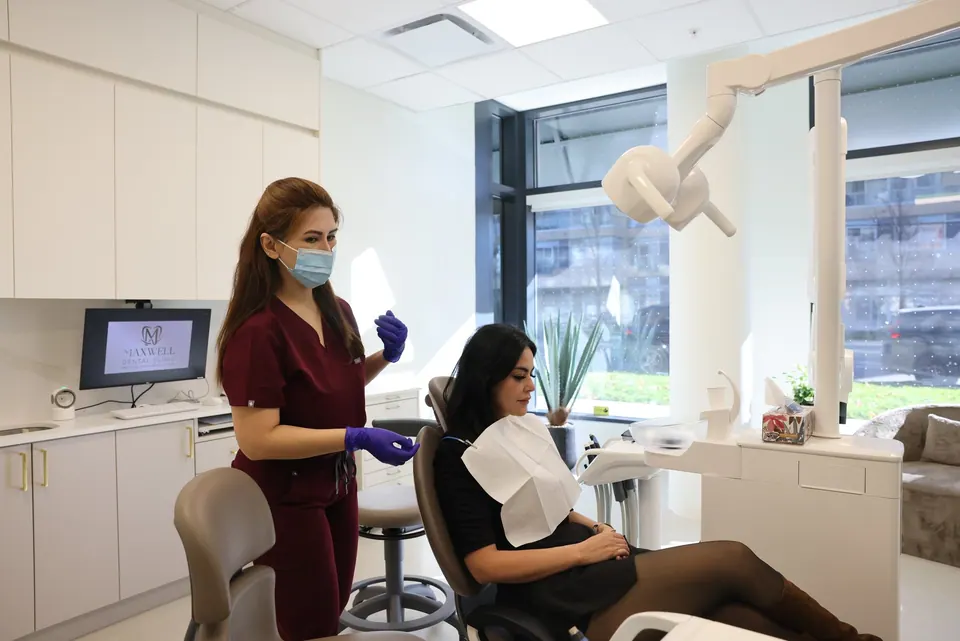
Numbing gel if needed. If you are nervous, say so when you book. Your dentist explains each step before it happens, agrees a signal you can use to pause, and goes at your pace.
- Care in English, فارسی or Tagalog
- Questions welcome at every step
- Ask about sedation if anxiety keeps you away
Afterwards
Mild tenderness or sensitivity to cold can follow for a day or two. Carry on with your interdental brushes or floss the same evening. Consistent daily cleaning between visits has more effect on the outcome than anything done in the chair.
Do
- Keep to the interval advised
- Use interdental brushes daily
- Tell us about health changes
Don't
- Stretch visits when gums feel fine
- Smoke
- Stop cleaning between teeth
Call us if gums bleed more, a tooth feels loose or a gum boil appears.
What your gum measurements mean
At each visit six points around every tooth are measured in millimetres. One to three with no bleeding is healthy. Four with bleeding is an area to watch. Five or more is a pocket you cannot clean at home, where bacteria can continue to damage bone. Ask for your numbers and how they compare with last time. Stable or improving measurements are the sign that maintenance and your home care are working.
Three useful questions
- Which areas have changed since last time?
- Is three months the right interval for me?
- Should I see a gum specialist?
Alternatives to periodontal maintenance
Returning to six-monthly cleanings is tempting once gums feel better, but relapse is common without closer care. Gum surgery or specialist treatment may be advised where pockets remain deep.
What you pay
Most insurance plans cover a set number of scaling units a year, and the Canadian Dental Care Plan covers scaling within limits, so coverage for frequent visits varies. We check and explain before each course of care.
CDCP
- Bring
- Your CDCP card and photo ID
- We do
- Check what the plan covers before treatment and tell you about any amount you would pay
Work or private insurance
- Bring
- Your plan and member number
- We do
- Bill your insurer directly, so you pay only the part your plan doesn't cover
No insurance
- Ask
- For a cost estimate before treatment starts
- Pay
- All common payment methods are accepted
Questions about periodontal maintenance
Maintenance reaches below the gumline where gum disease lives, and includes measuring the gums.
Usually, though the interval may lengthen if your gums stay stable.
By pocket depths, bleeding, risk factors and how well plaque is controlled.
Most people find it comfortable; numbing is available.
Yes, shared care is common when a specialist is involved.
Lost bone and gum do not usually return, but the disease can be held steady.
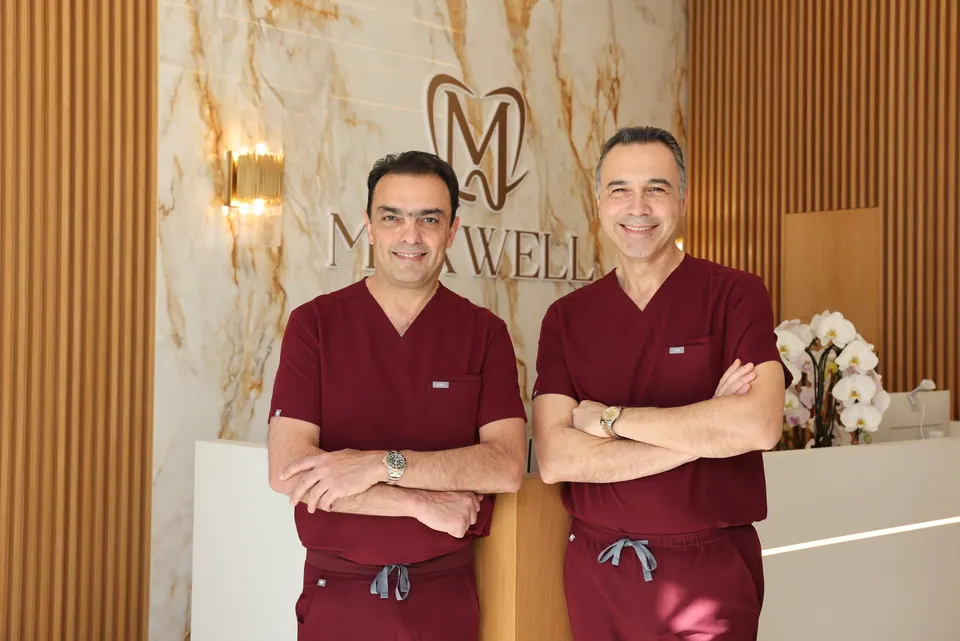
Two general dentists
Dr. Ali Ellioun has more than 30 years of clinical experience. He enjoys all aspects of general dentistry, with particular interests in restorative dentistry, root canal treatment, oral surgery, prosthodontics and implants.
Dr. Shahyar Ameryoun has over 25 years of experience in root canal therapy, crowns and bridges, restorative and preventive care, cosmetic dentistry, extractions and emergency care.
Both are registered with the Royal College of Dental Surgeons of Ontario and take the time to explain your options before treatment starts.
Coming to Maxwell Dental
Maxwell Dental is at 716 Sheppard Ave West in North York, at street level, with free parking on site. We are open Monday to Friday from 10 am to 6 pm and Saturday from 9 am to 4 pm. The team works in English, Farsi and Tagalog, so tell us which you prefer when you book.
If you are in pain, call (647) 479-4842 and we will tell you the earliest time we can see you.
Your first visit follows four steps: you request a time by phone or the form, complete your registration, have an exam with any X-rays your dentist recommends, and then hear your plan and costs before anything is started. Insurers are billed directly, CDCP patients are welcome, and you can ask for a cost estimate at any point.
Before your appointment
- Bring photo ID and your CDCP or insurance card if you have one
- Bring a list of the medicines you take
- New patients complete a short registration form; ask for it in advance if you like
- Tell us about any health changes since your last visit
Wilson Heights · Clanton Park · Bathurst Manor · Lansing–Westgate · Armour Heights · Westminster–Branson · Yonge and Sheppard
This page gives general information about periodontal maintenance and does not replace an examination. Your dentist will advise what is right for your mouth and health.
Last updated: November 24, 2026