
Sedation dentistry in North York
In short: sedation dentistry uses medicine to help you relax during dental treatment. It can help if you are very anxious, have a strong gag reflex or need long treatment. Your dentist reviews your health first and explains which options are suitable.
Sedation dentistry, explained
Fear of the dentist is common, and it keeps many people away until a small problem has become a painful one. Sedation doesn't replace local anaesthetic, which still numbs the area being treated. It works on anxiety: it helps you feel calm, makes time seem to pass quickly and can dull the memory of the appointment.
Dentists in Ontario who provide sedation must hold the appropriate authorization from the Royal College of Dental Surgeons of Ontario for each level they offer. When you ask about sedation at Maxwell Dental, your dentist will tell you which options are available here and whether any would mean a referral.
Is sedation dentistry right for you?
One tick is enough to ask. Your dentist will confirm what you need.
Who it suits
Sedation can help people with dental anxiety or phobia, a strong gag reflex, difficulty getting numb, trouble sitting still for long, or a need for long or surgical treatment. It may not be suitable with certain medical conditions, medicines or pregnancy, so a full health review comes first.
What you gain
- Makes treatment possible for people who would otherwise avoid it
- More treatment can be done in fewer visits
- Reduces gagging and muscle tension
- You remain able to respond and breathe on your own with lighter forms
Step by step
- 1
Review
We review your health and medicines.
- 2
Plan
You hear the options and instructions.
- 3
Treatment
You are monitored throughout.
- 4
Recovery
You go home with an adult if advised.
The common levels are minimal sedation with nitrous oxide (laughing gas) breathed through a small nose mask, which wears off in minutes; oral sedation with a tablet taken before the visit; and deeper intravenous sedation given by a trained provider. Each has its own instructions about eating, drinking and getting home.
What it feels like
You stay comfortable. If you are nervous, say so when you book. Your dentist explains each step before it happens, agrees a signal you can use to pause, and goes at your pace.
- Care in English, فارسی or Tagalog
- Questions welcome at every step
- Ask about sedation if anxiety keeps you away
Afterwards
After nitrous oxide most people can leave on their own. After oral or IV sedation you need a responsible adult to take you home and stay with you, and you should not drive, work or sign documents for the rest of the day.
Do
- Follow fasting instructions if given
- Arrange a ride home if advised
- Tell us all your medicines
Don't
- Drive after sedation if told not to
- Drink alcohol that day
- Hide health conditions
Call us if you have questions about your instructions.
Preparing for a sedation appointment
Your dentist gives you written instructions to follow exactly. Typically you are asked not to eat or drink for a set time beforehand, to take your usual medicines unless told otherwise, and to wear loose, comfortable clothing with sleeves that roll up easily. Leave contact lenses, jewellery and nail polish off if advised. Arrange for a responsible adult to bring you, wait, and take you home by car or taxi, not public transit. Plan a quiet day afterwards with someone at home. Tell us about any cold, fever or change in your health before the appointment, as it may be safer to rebook.
Three useful questions
- Which type of sedation suits me?
- What are the instructions before and after?
- Who monitors me during treatment?
Alternatives to sedation dentistry
Many anxious patients manage well without medicine when the dentist goes slowly, explains each step, agrees a stop signal and uses effective numbing. Shorter visits, music and morning appointments also help. Tell us what worries you.
What you pay
Sedation fees depend on the type and length of the appointment. Coverage varies: some plans cover sedation only for certain procedures. We'll check and tell you before your visit.
CDCP
- Bring
- Your CDCP card and photo ID
- We do
- Check what the plan covers before treatment and tell you about any amount you would pay
Work or private insurance
- Bring
- Your plan and member number
- We do
- Bill your insurer directly, so you pay only the part your plan doesn't cover
No insurance
- Ask
- For a cost estimate before treatment starts
- Pay
- All common payment methods are accepted
Questions about sedation dentistry
Ask us when you book; your dentist will explain what is available and suitable for you.
Your health is reviewed first and you are monitored during treatment.
With minimal and moderate sedation you are relaxed but awake and able to respond. General anaesthesia, where you are fully asleep, is provided in specialised settings.
Sometimes. Your dentist will advise whether it is appropriate here or by referral to a pediatric specialist.
Usually yes, for numbing, but often after the sedation has taken effect.
Your dentist reviews your health, your anxiety and the treatment needed, then recommends the lightest option that will keep you comfortable.
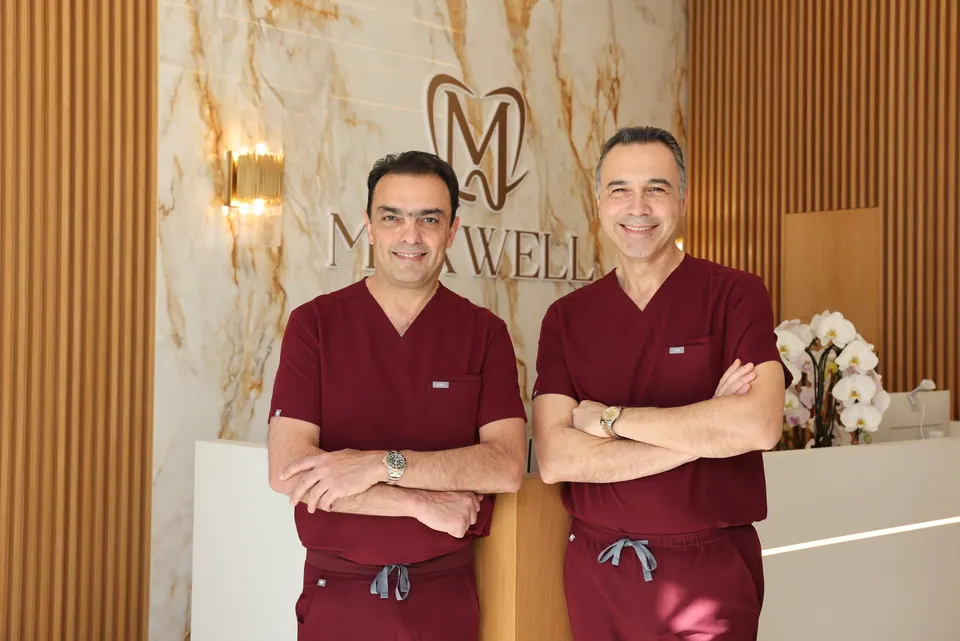
Two general dentists
Dr. Ali Ellioun has more than 30 years of clinical experience. He enjoys all aspects of general dentistry, with particular interests in restorative dentistry, root canal treatment, oral surgery, prosthodontics and implants.
Dr. Shahyar Ameryoun has over 25 years of experience in root canal therapy, crowns and bridges, restorative and preventive care, cosmetic dentistry, extractions and emergency care.
Both are registered with the Royal College of Dental Surgeons of Ontario and take the time to explain your options before treatment starts.
Coming to Maxwell Dental
Maxwell Dental is at 716 Sheppard Ave West in North York, at street level, with free parking on site. We are open Monday to Friday from 10 am to 6 pm and Saturday from 9 am to 4 pm. The team works in English, Farsi and Tagalog, so tell us which you prefer when you book.
If you are in pain, call (647) 479-4842 and we will tell you the earliest time we can see you.
Your first visit follows four steps: you request a time by phone or the form, complete your registration, have an exam with any X-rays your dentist recommends, and then hear your plan and costs before anything is started. Insurers are billed directly, CDCP patients are welcome, and you can ask for a cost estimate at any point.
Before your appointment
- Bring photo ID and your CDCP or insurance card if you have one
- Bring a list of the medicines you take
- New patients complete a short registration form; ask for it in advance if you like
- Tell us about any health changes since your last visit
Wilson Heights · Clanton Park · Bathurst Manor · Lansing–Westgate · Armour Heights · Westminster–Branson · Yonge and Sheppard
This page gives general information about sedation dentistry and does not replace an examination. Your dentist will advise what is right for your mouth and health.
Last updated: November 24, 2026