
Tooth extraction cost in North York
In short: the cost of a tooth extraction depends on whether the tooth can be removed simply or needs a surgical approach, for example when it has broken at the gumline or has curved roots. The exam and X-ray are separate items. Extractions are a basic service under most insurance plans and are covered by the Canadian Dental Care Plan.
What an extraction fee includes
The fee for removing a tooth covers the procedure itself and immediate aftercare. An estimate would list:
- The examination and X-ray that confirm the tooth cannot be saved
- Local anaesthetic
- Removing the tooth, simple or surgical
- Stitches where needed, gauze and written instructions
- A short review visit if healing needs checking
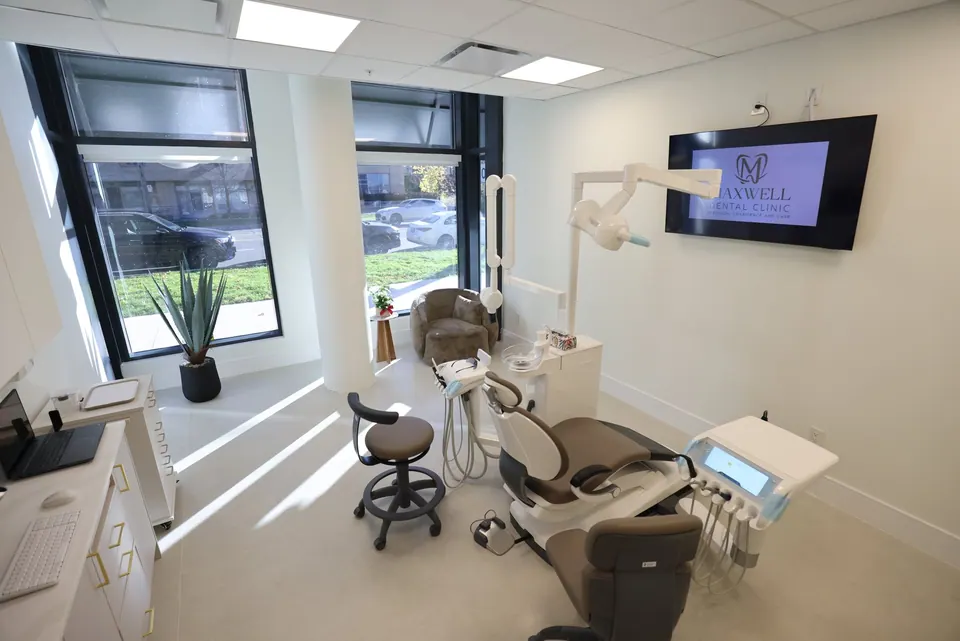
What changes the cost of an extraction
- 1
Simple or surgical
A tooth that is fully visible and intact is loosened and lifted out. A broken, impacted or brittle tooth may need the gum opened or the tooth divided, which takes longer.
- 2
Which tooth
Molars have two or three roots and sit in denser bone than front teeth, so they generally take more time.
- 3
Infection
Swelling may need to be settled with drainage or antibiotics first, adding a visit.
- 4
Your health
Blood thinners, bone medicines and some conditions call for extra planning, and occasionally referral to an oral surgeon.
- 5
What happens to the space
A bone graft placed in the socket to prepare for an implant, or an immediate denture, is priced separately.
The cost of the gap
An extraction is often the least expensive treatment on the day, which is why it can look attractive when a tooth needs a root canal and a crown. The fuller picture includes what follows. Teeth next to a gap tilt, the opposing tooth grows down into the space, and chewing shifts to the other side.
Replacing the tooth with an implant, bridge or partial denture usually costs more than saving it would have. For a back tooth that does not show, some people choose to leave the space. Your dentist will explain what is likely to happen in your mouth, so you can decide with the whole cost in view.
What plans pay toward extractions
Insurance plans normally cover extractions as basic services at a high percentage. Surgical extractions and bone grafts may be paid at a different rate, and sedation is often limited. We bill your insurer directly and can request a predetermination for planned extractions.
The Canadian Dental Care Plan covers both simple and surgical extractions. It also covers removable dentures to replace missing teeth, while implants are generally not covered. We check your coverage before treatment.
Do you need an extraction assessed?
An exam gives you a real number. Costs depend on your mouth, so the estimate follows the examination.
Ways to manage the cost
- Ask first whether the tooth can be saved, and what that costs
- Plan the replacement at the same time
- Tell us about all your medicines to avoid delays
- Follow the aftercare to avoid a dry socket and extra visits
From question to written estimate
- 1
Request a visit
Send the form or call. Tell us what you want priced and whether you have insurance or a Canadian Dental Care Plan card, so we can book the right amount of time.
- 2
Examination
Your dentist examines the tooth or area and takes only the X-rays needed to plan. An estimate given without looking is a guess; this step is what makes the number reliable.
- 3
Options and an itemised estimate
You hear the options, including the simplest one, with the fee for each procedure listed separately. Take it home and think about it; there is no obligation to go ahead.
- 4
Coverage check
We bill insurers directly and can send a predetermination or a CDCP pre-authorization, so you know the amount you would pay yourself before treatment is booked.
How dental fees are set in Ontario
Dental care in Ontario is not covered by OHIP for most adults, so treatment is paid for by an insurance plan, a government program such as the Canadian Dental Care Plan, or the patient. Each dental office sets its own fees. Most refer to the suggested fee guide published each year by the Ontario Dental Association, which lists a code and a suggested fee for every procedure.
Insurance plans and the Canadian Dental Care Plan each pay according to their own fee schedules, which can be lower than a clinic's fee. The difference, plus any percentage your plan does not cover, is the part you pay. That is why two people having the same treatment can pay different amounts.
Know the cost first
After an exam, your dentist can give you an estimate listing each procedure. For larger treatment we can send it to your insurer as a predetermination, so you see what the plan will pay before you start.
Ask for an estimateThree ways patients pay
CDCP
- Bring
- Your CDCP card and photo ID
- We do
- Check what the plan covers before treatment and tell you about any amount you would pay
Work or private insurance
- Bring
- Your plan and member number
- We do
- Bill your insurer directly, so you pay only the part your plan doesn't cover
No insurance
- Ask
- For a cost estimate before treatment starts
- Pay
- All common payment methods are accepted
Questions about extraction cost
Your dentist can tell from the exam and X-ray and will say before starting.
The extraction fee is the same; an emergency exam and X-ray are added if you have not been examined.
Yes, simple and surgical.
Only if you plan an implant and the socket needs support. It is optional and priced separately.
Impacted wisdom teeth usually need a surgical extraction, which has a higher fee.
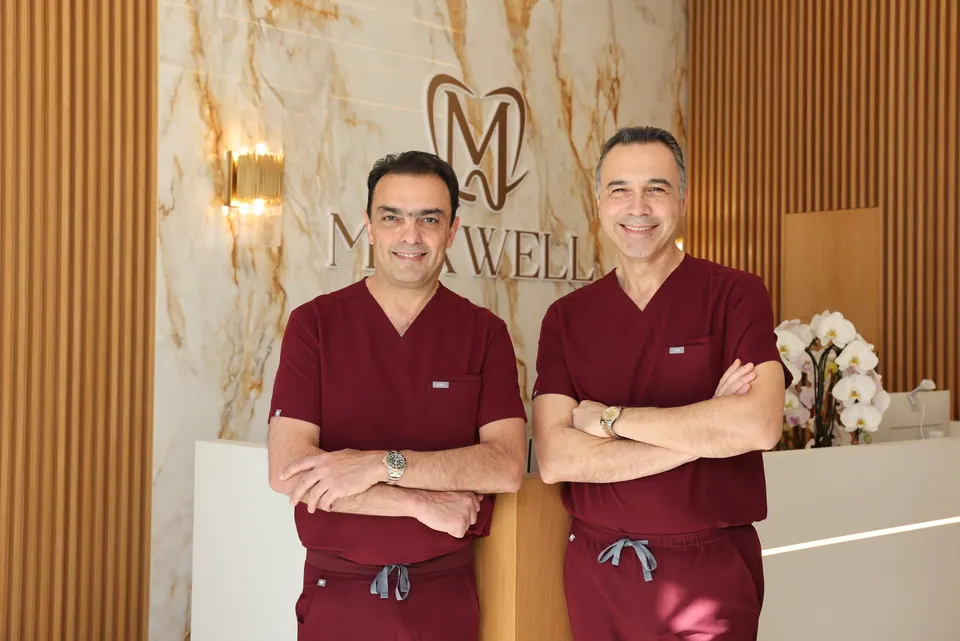
Two general dentists in North York
Dr. Ali Ellioun has more than 30 years of clinical experience, with particular interests in restorative dentistry, root canal treatment, oral surgery, prosthodontics and implants. Dr. Shahyar Ameryoun has over 25 years of experience in root canal therapy, crowns and bridges, restorative and preventive care, cosmetic dentistry, extractions and emergency care. Both are registered with the Royal College of Dental Surgeons of Ontario.
Maxwell Dental is at 716 Sheppard Ave West, at street level with free parking. We are open Monday to Friday from 10 am to 6 pm and Saturday from 9 am to 4 pm, and the team works in English, Farsi and Tagalog. Your first visit is an exam with any X-rays your dentist recommends, followed by a plan and costs before anything is started.
Wilson Heights · Clanton Park · Bathurst Manor · Lansing–Westgate · Armour Heights · Westminster–Branson · Yonge and Sheppard
This page gives general information and is not a quote. Fees depend on an examination and on your plan. No fee on this page is a promise of coverage.
Last updated: November 24, 2026