
Dental sealants in North York
In short: a dental sealant is a thin protective coating painted into the grooves of the back teeth, where most childhood cavities start. It sets hard in seconds, needs no drilling or numbing, and can protect a tooth for years.
Dental sealants, explained
The chewing surfaces of molars have deep pits and grooves. Toothbrush bristles are often too wide to clean inside them, so food and bacteria stay put and decay begins. A sealant flows into those grooves and hardens into a smooth, protective layer.
Placing a sealant is one of the simplest things we do. There is no drilling and no needle; the tooth is cleaned, prepared with a mild gel, and the sealant is painted on and set with a curing light.

Is dental sealants right for you?
One tick is enough to ask. Your dentist will confirm what you need.
Who it suits
Sealants are most useful soon after the first adult molars appear at about age six and the second molars at about age twelve. Teenagers and adults with deep grooves and no decay can have them too. A tooth that already has decay in the groove needs a filling instead.
What you gain
- Protects the surfaces where most childhood decay starts
- No drilling, no numbing
- Takes minutes per tooth
- Can last several years and is easily topped up
Step by step
- 1
Clean
The tooth is cleaned and dried.
- 2
Prepare
A gel helps the sealant grip.
- 3
Seal
The sealant is painted on and set with a light.
Keeping the tooth dry while the sealant sets is the key to a long-lasting result, so we isolate the tooth and work quickly. Afterwards your dentist checks the bite so the sealant doesn't feel high.
What it feels like
No numbing needed. If you are nervous, say so when you book. Your dentist explains each step before it happens, agrees a signal you can use to pause, and goes at your pace.
- Care in English, فارسی or Tagalog
- Questions welcome at every step
- Ask about sedation if anxiety keeps you away
Afterwards
Your child can eat right away. The sealant may feel slightly different to the tongue for a day. We check sealants at every exam and repair any that have worn or chipped.
Do
- Brush and floss as usual
- Have sealants checked at each visit
- Seal new molars soon after they appear
Don't
- Chew ice or hard candy
- Assume sealed teeth can't decay
- Skip check-ups
Call us if a sealant chips or feels rough.
Protecting back teeth as children grow
The years when sealants matter most are also the years when children are learning to brush on their own. Until about age eight, most children need an adult to brush the back teeth for them at night. Keep sweet snacks and drinks to mealtimes, offer water between meals, and bring your child for a check-up every six months so new molars are sealed soon after they come through. If your child plays contact sport, ask about a mouthguard at the same visit. Sealants, fluoride and good habits together prevent most childhood cavities.
Three useful questions
- Which teeth are ready to seal?
- Are any existing sealants worn?
- What else lowers my child's risk?
Alternatives to dental sealants
Careful brushing, fluoride and fewer sugary snacks all reduce decay but don't change the shape of deep grooves. If a groove already has early decay, your dentist may suggest a small filling.
What you pay
Sealants cost far less than fillings. Many plans cover them for children on permanent molars. We confirm coverage before placing them.
CDCP
- Bring
- Your CDCP card and photo ID
- We do
- Check what the plan covers before treatment and tell you about any amount you would pay
Work or private insurance
- Bring
- Your plan and member number
- We do
- Bill your insurer directly, so you pay only the part your plan doesn't cover
No insurance
- Ask
- For a cost estimate before treatment starts
- Pay
- All common payment methods are accepted
Questions about dental sealants
Usually soon after the adult molars appear, around ages 6 and 12.
Sometimes, on teeth with deep grooves and no decay.
Modern sealant materials are considered safe, with exposure far below levels of concern. Ask us if you'd like details of the material we use.
Yes, between the teeth or if the sealant is lost, so brushing, flossing and check-ups still matter.
Often five years or more. We check and top them up at exams.
No. Most children find it easy.
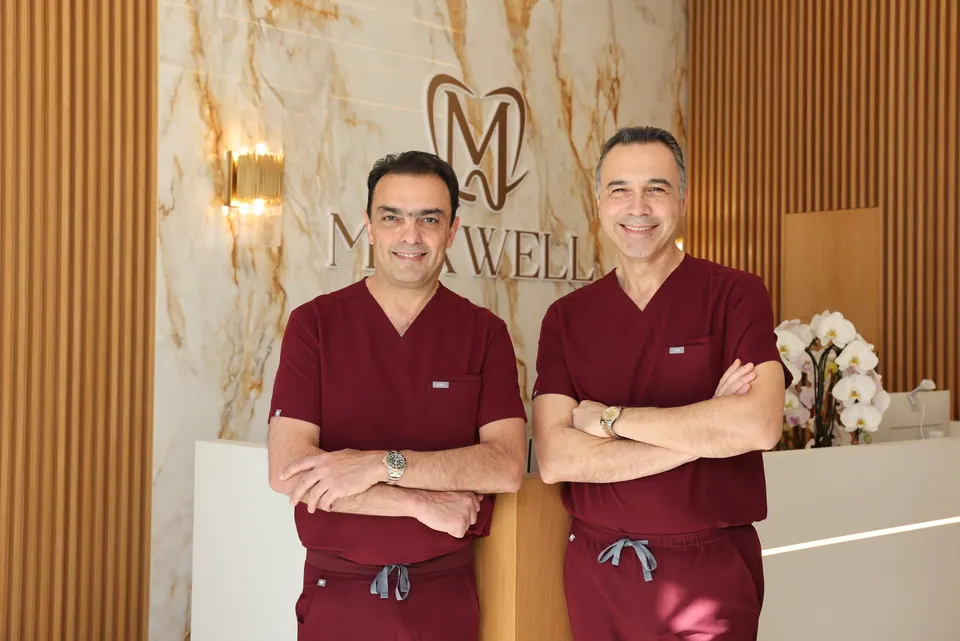
Two general dentists
Dr. Ali Ellioun has more than 30 years of clinical experience. He enjoys all aspects of general dentistry, with particular interests in restorative dentistry, root canal treatment, oral surgery, prosthodontics and implants.
Dr. Shahyar Ameryoun has over 25 years of experience in root canal therapy, crowns and bridges, restorative and preventive care, cosmetic dentistry, extractions and emergency care.
Both are registered with the Royal College of Dental Surgeons of Ontario and take the time to explain your options before treatment starts.
Coming to Maxwell Dental
Maxwell Dental is at 716 Sheppard Ave West in North York, at street level, with free parking on site. We are open Monday to Friday from 10 am to 6 pm and Saturday from 9 am to 4 pm. The team works in English, Farsi and Tagalog, so tell us which you prefer when you book.
If you are in pain, call (647) 479-4842 and we will tell you the earliest time we can see you.
Your first visit follows four steps: you request a time by phone or the form, complete your registration, have an exam with any X-rays your dentist recommends, and then hear your plan and costs before anything is started. Insurers are billed directly, CDCP patients are welcome, and you can ask for a cost estimate at any point.
Before your appointment
- Bring photo ID and your CDCP or insurance card if you have one
- Bring a list of the medicines you take
- New patients complete a short registration form; ask for it in advance if you like
- Tell us about any health changes since your last visit
Wilson Heights · Clanton Park · Bathurst Manor · Lansing–Westgate · Armour Heights · Westminster–Branson · Yonge and Sheppard
This page gives general information about dental sealants and does not replace an examination. Your dentist will advise what is right for your mouth and health.
Last updated: November 24, 2026