
Restorative dentistry in North York
In short: restorative dentistry repairs damaged teeth and replaces missing ones so you can chew comfortably and smile with confidence. It includes fillings, inlays and onlays, crowns, bridges, dentures and implants.
Restorative dentistry, explained
Teeth are damaged by decay, cracks, wear and injury, and lost to gum disease and infection. Restorative dentistry is the set of treatments that put things right, from a small filling to replacing every tooth in a jaw. The goal is a mouth that works comfortably and looks natural, using the least invasive treatment that will last.
Dr. Ali Ellioun's particular interests include restorative dentistry, prosthodontics and implants, and Dr. Shahyar Ameryoun's experience covers crowns and bridges and restorative care. Both are general dentists, and will refer you to a specialist when a case calls for it.
Is restorative dentistry right for you?
One tick is enough to ask. Your dentist will confirm what you need.
Who it suits
It suits anyone with broken, decayed, worn or missing teeth, or with old dental work that is failing. People with several problems benefit from a full plan, so that work is done in the right order and one treatment does not undo another.
What you gain
- Comfortable chewing restored
- Damaged teeth protected from further breakdown
- Gaps filled before teeth drift
- Options to suit different budgets
Step by step
- 1
Examine
Teeth, gums and bite are checked, with X-rays as needed.
- 2
Prioritise
Pain and infection are dealt with first.
- 3
Plan
You compare options, visits and costs.
- 4
Restore
Teeth are repaired or replaced in a sensible order.
Planning starts with what must be done now, what can wait and what is optional. Small defects are filled; weakened teeth are covered with onlays or crowns; missing teeth are replaced with bridges, dentures or implants. Materials are chosen for strength at the back of the mouth and appearance at the front.
What it feels like
Numbed where needed. If you are nervous, say so when you book. Your dentist explains each step before it happens, agrees a signal you can use to pause, and goes at your pace.
- Care in English, فارسی or Tagalog
- Questions welcome at every step
- Ask about sedation if anxiety keeps you away
Afterwards
Aftercare depends on the treatment. In general, temporary restorations need gentle use, new crowns and bridges need careful cleaning at the edges, and dentures need a few adjustment visits. Regular exams protect the investment.
Do
- Ask about every option
- Keep up cleaning between visits
- Protect new work with a night guard if advised
Don't
- Delay a small repair
- Chew hard foods on temporary work
- Miss follow-up visits
Call us if a temporary comes off, your bite feels high, or pain develops.
Comparing your options fairly
For each option, ask four things: how long it usually lasts, what it does to the neighbouring teeth, what upkeep it needs and what it costs in total, including any later replacement. A cheaper choice that needs renewing sooner can cost more over ten years. Ask too what happens if you do nothing for now. A good plan often phases treatment so the most important work is done first.
Three useful questions
- What needs doing first?
- What are the alternatives for each tooth?
- What will my plan cover this year?
Alternatives to restorative dentistry
For any damaged tooth the choices are usually to repair it, to remove and replace it, or occasionally to monitor it. Your dentist explains the likely life, cost and upkeep of each so you can choose.
What you pay
Fillings are a basic service; crowns, bridges and dentures are major services with a percentage covered up to a yearly limit under most plans. The Canadian Dental Care Plan covers many restorative services, some with pre-authorization, and generally not implants.
CDCP
- Bring
- Your CDCP card and photo ID
- We do
- Check what the plan covers before treatment and tell you about any amount you would pay
Work or private insurance
- Bring
- Your plan and member number
- We do
- Bill your insurer directly, so you pay only the part your plan doesn't cover
No insurance
- Ask
- For a cost estimate before treatment starts
- Pay
- All common payment methods are accepted
Questions about restorative dentistry
A filling repairs a small or medium defect. A crown protects a tooth that has lost much of its structure.
It depends on your mouth and priorities. Implants, bridges and dentures each have a place.
It varies: fillings often seven to ten years, crowns ten or more, dentures five to ten.
Sometimes several items are combined in a visit; larger plans are staged.
Not always. Your dentist explains the risks of leaving the gap.
Ask for alternatives. There is usually a sound, simpler option.
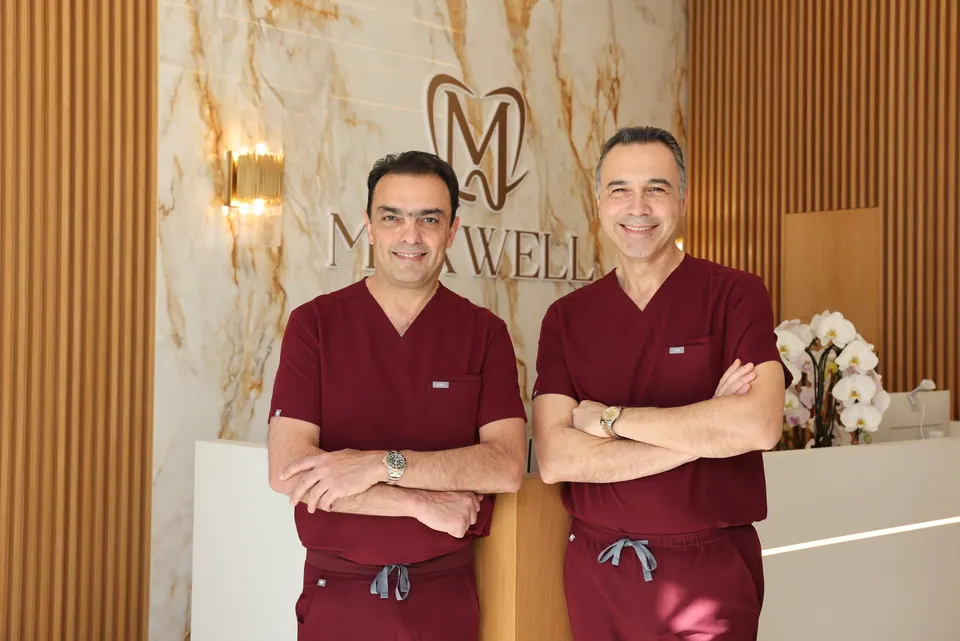
Two general dentists
Dr. Ali Ellioun has more than 30 years of clinical experience. He enjoys all aspects of general dentistry, with particular interests in restorative dentistry, root canal treatment, oral surgery, prosthodontics and implants.
Dr. Shahyar Ameryoun has over 25 years of experience in root canal therapy, crowns and bridges, restorative and preventive care, cosmetic dentistry, extractions and emergency care.
Both are registered with the Royal College of Dental Surgeons of Ontario and take the time to explain your options before treatment starts.
Coming to Maxwell Dental
Maxwell Dental is at 716 Sheppard Ave West in North York, at street level, with free parking on site. We are open Monday to Friday from 10 am to 6 pm and Saturday from 9 am to 4 pm. The team works in English, Farsi and Tagalog, so tell us which you prefer when you book.
If you are in pain, call (647) 479-4842 and we will tell you the earliest time we can see you.
Your first visit follows four steps: you request a time by phone or the form, complete your registration, have an exam with any X-rays your dentist recommends, and then hear your plan and costs before anything is started. Insurers are billed directly, CDCP patients are welcome, and you can ask for a cost estimate at any point.
Before your appointment
- Bring photo ID and your CDCP or insurance card if you have one
- Bring a list of the medicines you take
- New patients complete a short registration form; ask for it in advance if you like
- Tell us about any health changes since your last visit
Wilson Heights · Clanton Park · Bathurst Manor · Lansing–Westgate · Armour Heights · Westminster–Branson · Yonge and Sheppard
This page gives general information about restorative dentistry and does not replace an examination. Your dentist will advise what is right for your mouth and health.
Last updated: November 24, 2026