
TMJ treatment in North York
In short: tMJ disorders affect the jaw joints and the muscles that move them, causing jaw pain, clicking, headaches or difficulty opening wide. Treatment usually starts with simple measures such as a night guard, exercises and habit changes.
TMJ treatment, explained
The temporomandibular joints, just in front of each ear, let the jaw open, close and slide. Problems with the joints or the chewing muscles are grouped as temporomandibular disorders (TMD). Symptoms include aching around the jaw, ear or temples, clicking or grating, a jaw that catches or locks, and teeth that feel sensitive or worn.
Causes are often mixed: clenching and grinding, stress, an injury, arthritis, or habits such as chewing gum and nail-biting. Most cases settle with simple, reversible care.
Is TMJ treatment right for you?
One tick is enough to ask. Your dentist will confirm what you need.
Who it suits
See us if jaw pain or stiffness lasts more than a couple of weeks, if your jaw locks, or if you wake with headaches and worn teeth. Sudden inability to open or close the mouth, or pain after an injury, needs prompt attention.
What you gain
- Relief from jaw pain and morning headaches
- Protection of teeth and restorations from grinding
- Starts with conservative, reversible steps
- Advice you can use at home straight away
Step by step
- 1
Assessment
We examine your jaw, bite and muscles.
- 2
Plan
Guard, exercises or other steps explained.
- 3
Review
We check progress and adjust.
Your dentist examines the joints, the muscles and your bite, and looks for wear on the teeth. Treatment usually begins with a custom night guard, a soft diet during flare-ups, warm compresses, gentle stretches and awareness of daytime clenching. If symptoms persist, referral to a physiotherapist or a specialist may be suggested.
What it feels like
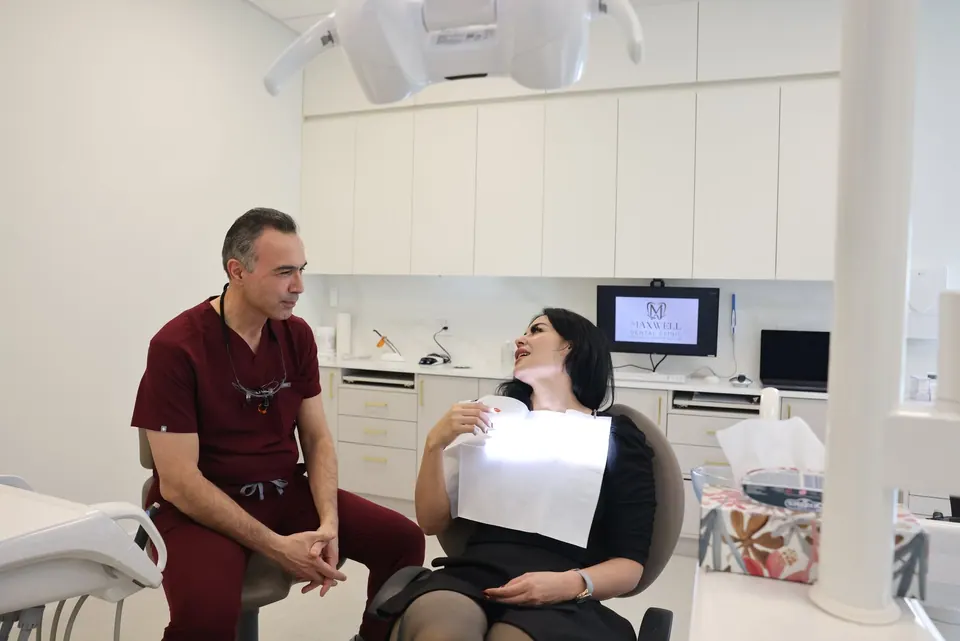
Painless assessment. If you are nervous, say so when you book. Your dentist explains each step before it happens, agrees a signal you can use to pause, and goes at your pace.
- Care in English, فارسی or Tagalog
- Questions welcome at every step
- Ask about sedation if anxiety keeps you away
Afterwards
Improvement is usually gradual over several weeks. Wear your guard as advised and bring it to check-ups so the fit and wear can be checked.
Do
- Eat softer foods during flare-ups
- Use warm compresses
- Wear your guard as advised
Don't
- Chew gum
- Open very wide when yawning
- Clench during the day
Call us if your jaw locks or pain is severe.
Simple steps that help most people
Rest the jaw during a flare-up: choose softer foods, cut food small, and avoid wide yawning, gum, nail-biting and resting your chin on your hand. Keep your teeth slightly apart during the day with your tongue resting behind your upper front teeth; teeth should touch only when swallowing or chewing. Apply a warm compress to the side of the face for ten minutes, then gently stretch by opening slowly and evenly. Notice when you clench, often while concentrating or driving, and let the jaw drop. Good sleep and managing stress make a real difference. Give these steps two to four weeks, alongside any guard your dentist provides, before judging the result.
Three useful questions
- Is this a muscle or a joint problem?
- Do I need a night guard?
- When should I consider a referral?
Alternatives to TMJ treatment
Self-care alone helps many mild cases. Medicines for short-term pain and muscle relaxation are sometimes prescribed. Irreversible treatments such as bite reshaping or surgery are a last resort.
What you pay
The assessment is charged as an exam; a night guard is a separate fee. Some insurance plans cover occlusal guards. We'll check your plan.
CDCP
- Bring
- Your CDCP card and photo ID
- We do
- Check what the plan covers before treatment and tell you about any amount you would pay
Work or private insurance
- Bring
- Your plan and member number
- We do
- Bill your insurer directly, so you pay only the part your plan doesn't cover
No insurance
- Ask
- For a cost estimate before treatment starts
- Pay
- All common payment methods are accepted
Questions about TMJ treatment
Rarely. Most people improve with conservative care.
A click without pain or locking is common and usually needs no treatment.
Yes. Stress often shows up as clenching, especially at night.
Sometimes, to look at the joints and rule out other causes.
It protects the teeth and often reduces muscle strain; other steps may be needed too.
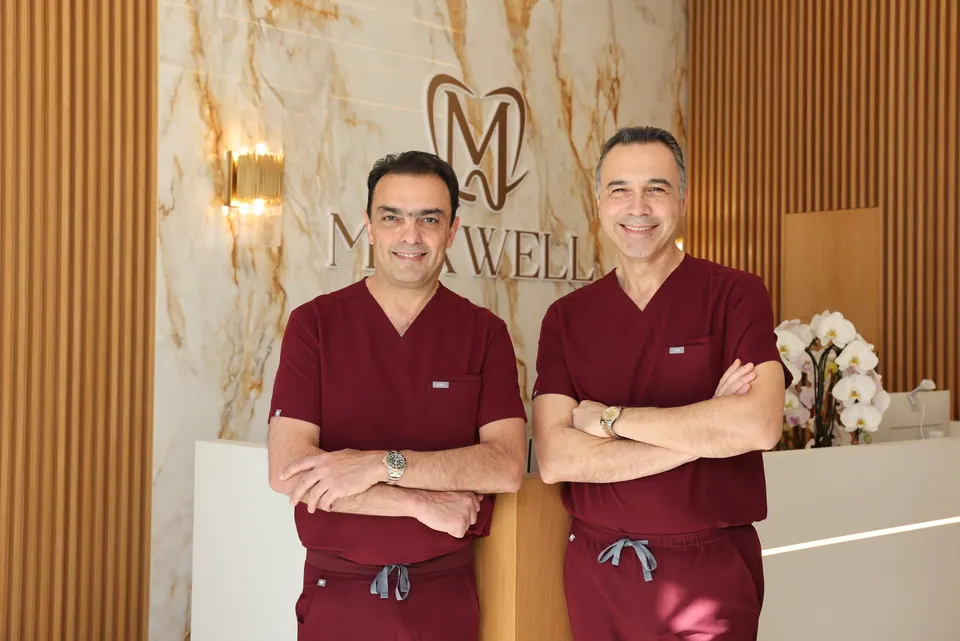
Two general dentists
Dr. Ali Ellioun has more than 30 years of clinical experience. He enjoys all aspects of general dentistry, with particular interests in restorative dentistry, root canal treatment, oral surgery, prosthodontics and implants.
Dr. Shahyar Ameryoun has over 25 years of experience in root canal therapy, crowns and bridges, restorative and preventive care, cosmetic dentistry, extractions and emergency care.
Both are registered with the Royal College of Dental Surgeons of Ontario and take the time to explain your options before treatment starts.
Coming to Maxwell Dental
Maxwell Dental is at 716 Sheppard Ave West in North York, at street level, with free parking on site. We are open Monday to Friday from 10 am to 6 pm and Saturday from 9 am to 4 pm. The team works in English, Farsi and Tagalog, so tell us which you prefer when you book.
If you are in pain, call (647) 479-4842 and we will tell you the earliest time we can see you.
Your first visit follows four steps: you request a time by phone or the form, complete your registration, have an exam with any X-rays your dentist recommends, and then hear your plan and costs before anything is started. Insurers are billed directly, CDCP patients are welcome, and you can ask for a cost estimate at any point.
Before your appointment
- Bring photo ID and your CDCP or insurance card if you have one
- Bring a list of the medicines you take
- New patients complete a short registration form; ask for it in advance if you like
- Tell us about any health changes since your last visit
Wilson Heights · Clanton Park · Bathurst Manor · Lansing–Westgate · Armour Heights · Westminster–Branson · Yonge and Sheppard
This page gives general information about TMJ treatment and does not replace an examination. Your dentist will advise what is right for your mouth and health.
Last updated: November 24, 2026